
Yesterday, a young woman walked into our practice and wrote just one word on her intake form:
“Injured.” April 2025.
But her story started long before that.
She had already survived a T-bone accident with a semi truck in 2019. She’s been on long-term disability ever since. And in April of this year, her partner assaulted her—pushing her from behind until she lost consciousness and landed face first, fracturing her orbital bone.
She described waking up on her face. No bruises anywhere else. As if her body collapsed straight into the ground.
Now, months later, she can’t sleep. She’s reactive with her kids. She feels like she’s floating, like her body is being pushed even when she’s standing still. Her breath is short and shallow, almost panting. Her throat is tight. Her sternum aches. And her heart rate is abnormally low—a major trauma marker.
What the Nervous System Had to Do to Survive
We talked about what happens when the body can’t process overwhelming events.
How shock gets absorbed better when the body goes limp than when it braces.
How the nervous system learns to stay on high alert—to stay awake to stay alive.
And how that defense system takes the social engagement system offline—not because she’s “emotionally distant” or “anxious,” but because her body is still trying to survive.
This is what happens when trauma isn’t resolved at the nervous system level.
She Wasn’t Uncared For—She Was Misunderstood
Before seeing us, she saw another chiropractor who gave her a “great spinal adjustment”… and a 60-visit care plan. The problem?
No one asked her what her nervous system was holding.
She said, “I’m dying inside. I can’t wait six months to feel better.”
After just one session focused on nervous system regulation:
- She could breathe
- Her facial symmetry returned
- Her throat and sternum tension were gone
She cried.
No one had ever explained or checked her nervous system before.
I looked at her and said, “Boy, did you stumble into the right office.”
She nodded and said, “I’ve been getting care for years, and no one ever brought this up.”
And my heart broke. Because this happens all the time.
Discernment: The Real Chiropractic Currency
Trauma is not what happens to us.
It’s what the nervous system must do to survive.
If we can’t make sense of that—if we don’t learn to discern what the nervous system is actually doing—we have no business calling ourselves “nervous system experts.”
This isn’t about technique.
It’s about interoception—the ability to make sense of the world through how we feel in our body.
And this isn’t just misunderstood. It’s ignored by far too many in our profession—either because of outdated coaching programs or developmental frameworks that treat kids like dogs to be trained, instead of humans to be understood.
Sensory Feedback Is the Foundation of the Self
Our nervous system builds its sense of self on unconscious sensory feedback:
- From within the body—especially below the diaphragm
- From the outside world
- Reinforced by experience
- Stored as meaning in our stories and behaviors
Excitement and fear? Same neural platform.
Shut down and intimacy? Same.
Play and fleeing? Same.
Performance and fight? Same.
Discernment is what separates the signal from the noise.
It’s not about labeling systems as “good” or “bad.”
It’s about recognizing that everything the body does—yes, even collapse—is intelligent.
The World Is Ready for Different. Are We?
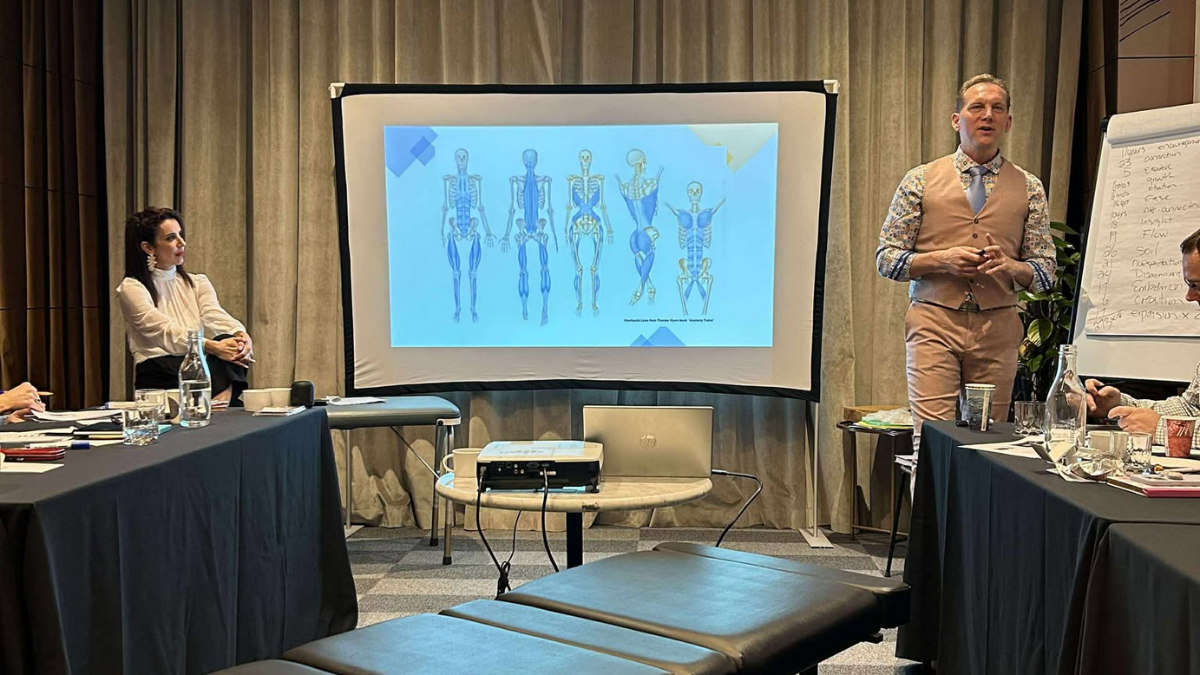
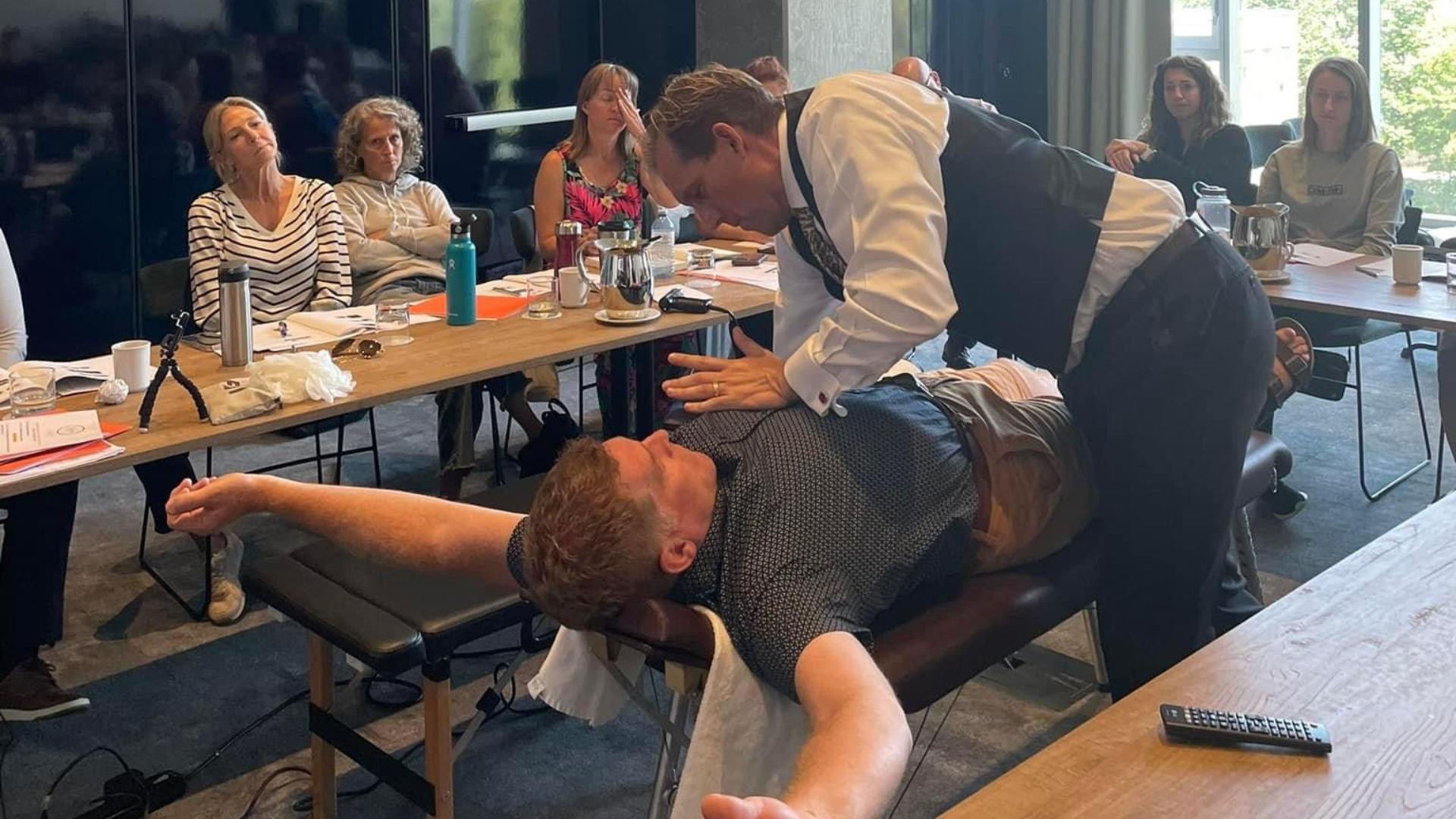
This is what we teach.
This is what we live.
And this is what every nervous system-focused chiropractor needs to embody if we’re going to evolve the profession.
Discernment is the key—in health, parenting, relationships, and practice.
It’s not positive self-talk. It’s somatic truth.
See you soon, Australia.
We’re bringing the real work with us.