
What Is Polyvagal Theory—and Why Should Chiropractors Care?
You’ve probably heard the term “Polyvagal Theory” floating around more often in the last few years—especially in trauma-informed circles.
But what exactly is it?
And more importantly: what does it have to do with chiropractic care?
The short answer?
Everything.
The Basics of Polyvagal Theory
Polyvagal Theory was developed by Dr. Stephen Porges.
It describes how the autonomic nervous system isn’t just “fight or flight” vs. “rest and digest”—but a hierarchical system that shifts through three main states:
- Dorsal Vagal (Shutdown/Freeze)
- Sympathetic (Mobilization: Fight/Flight)
- Ventral Vagal (Safety, Social Engagement, Regulation)
What state a person is in determines how they behave, communicate, heal, and respond to the world around them.
Why This Matters to Chiropractors
Chiropractic has always been about the nervous system.
But until now, we’ve mostly approached it through a biomechanical or structural lens:
- Misalignments → Nerve interference → Remove subluxation
- Adjust → Restore motion → Improve function
That’s not wrong—but it’s incomplete.
Because if a nervous system is stuck in defense, no matter how good your adjustment is, the system may not fully receive it.
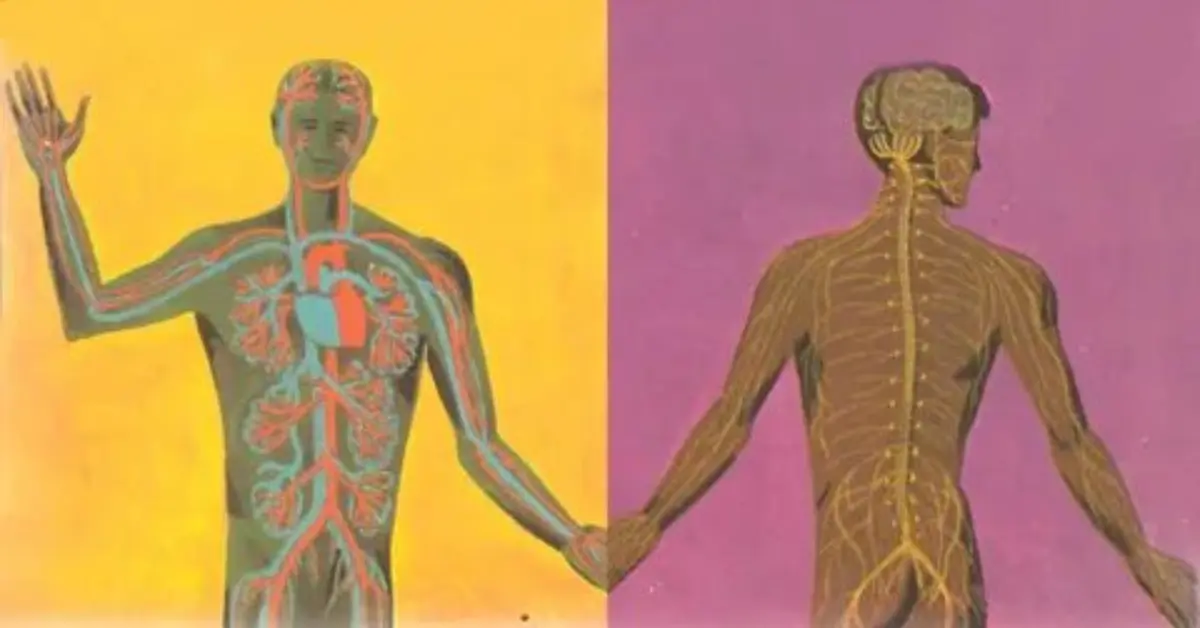
The Vagus Nerve: The Missing Link
The vagus nerve is central to Polyvagal Theory—and to your work as a chiropractor.
Here’s why:
- It makes up 75% of the parasympathetic nervous system
- It’s 80% sensory, not motor
- It regulates heart rate, breath, digestion, immune response, and more
- It signals safety—or danger—before the brain even knows what’s happening
And most importantly:
It’s not a spinal nerve.
You can’t just adjust T1 or the occiput and “stimulate the vagus.”
You need to understand how physiological safety is perceived and processed—through facial expression, breath, tone of voice, posture, and even eye contact.
Polyvagal-Informed Chiropractic Isn’t a Technique—It’s a Lens
We’re not teaching a new technique.
We’re teaching chiropractors to see their work through the lens of nervous system regulation:
- Adjustments become safety inputs—not just force applications
- Observations focus on facial tone, eye gaze, breath patterns—not just ROM
- Language shifts from “fixing” to “facilitating regulation”
- Outcomes become more consistent because you’re working with the system, not against it
Why Chiropractors Should Care—Now More Than Ever
We live in a world that’s more dysregulated than ever.
People aren’t just in pain. They’re anxious, shut down, burned out, overwhelmed, disconnected.
The future of chiropractic isn’t just about moving bones.
It’s about becoming leaders in nervous system care.
Polyvagal Theory gives you the map.
Chiropractic gives you the tools.
And together—they give you a way to change lives in a deeper, more sustainable way.