
Mammals birth live mammals.
It’s one of the defining features that sets us apart from reptiles and birds—and it shapes how our nervous systems develop from the very beginning.
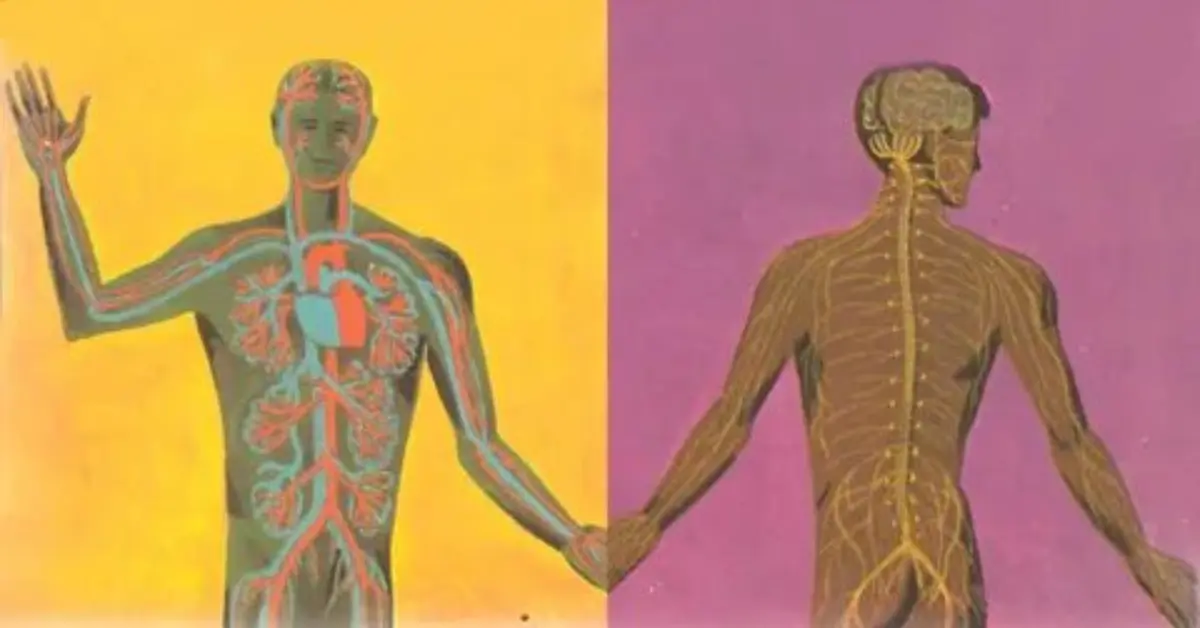
Unlike reptiles or birds, which are born with fully functioning nervous systems, mammals require another nervous system to survive. We’re born underdeveloped—neurologically incomplete—and deeply dependent on others not just for food and shelter, but for regulation.
Our nervous systems aren’t wired for independence or even co-dependence.
They’re built for interdependence.
The Vagal Brake and Human Communication
At birth, our most advanced parasympathetic circuits—the ones that make us uniquely human—aren’t fully online.
This includes the vagal brake, which is foundational for:
- Regulating the heart rate
- Coordinating sucking, swallowing, and breathing
- Developing facial expressions, tone, and language
- Establishing social engagement through eye gaze and head turning
These aren’t just developmental milestones.
They are neurobiological signatures of safety—shaped by the caregiver’s ability to attend and attune.
When a baby’s cries are met with a regulated presence, their system learns to settle.
When they’re left unmet, even if their physical needs are met, their system begins to code for threat.
And that coding doesn’t just disappear. It shows up in emotional regulation, learning capacity, and social connection for the rest of that person’s life.
Why We Focus on the Mother, Not Just the Baby
We don’t run a “pediatric” practice. We never have.
But we’ve cared for thousands of babies over the years—and the most important clinical truth we’ve learned is this:
When a caregiver is under care and better regulated, the child has a greater chance of becoming regulated too.
That doesn’t mean the mother is simply “stressed.”
It means her nervous system may be unavailable—unable to attend, unable to attune, stuck in survival mode, even as she’s doing everything “right.”
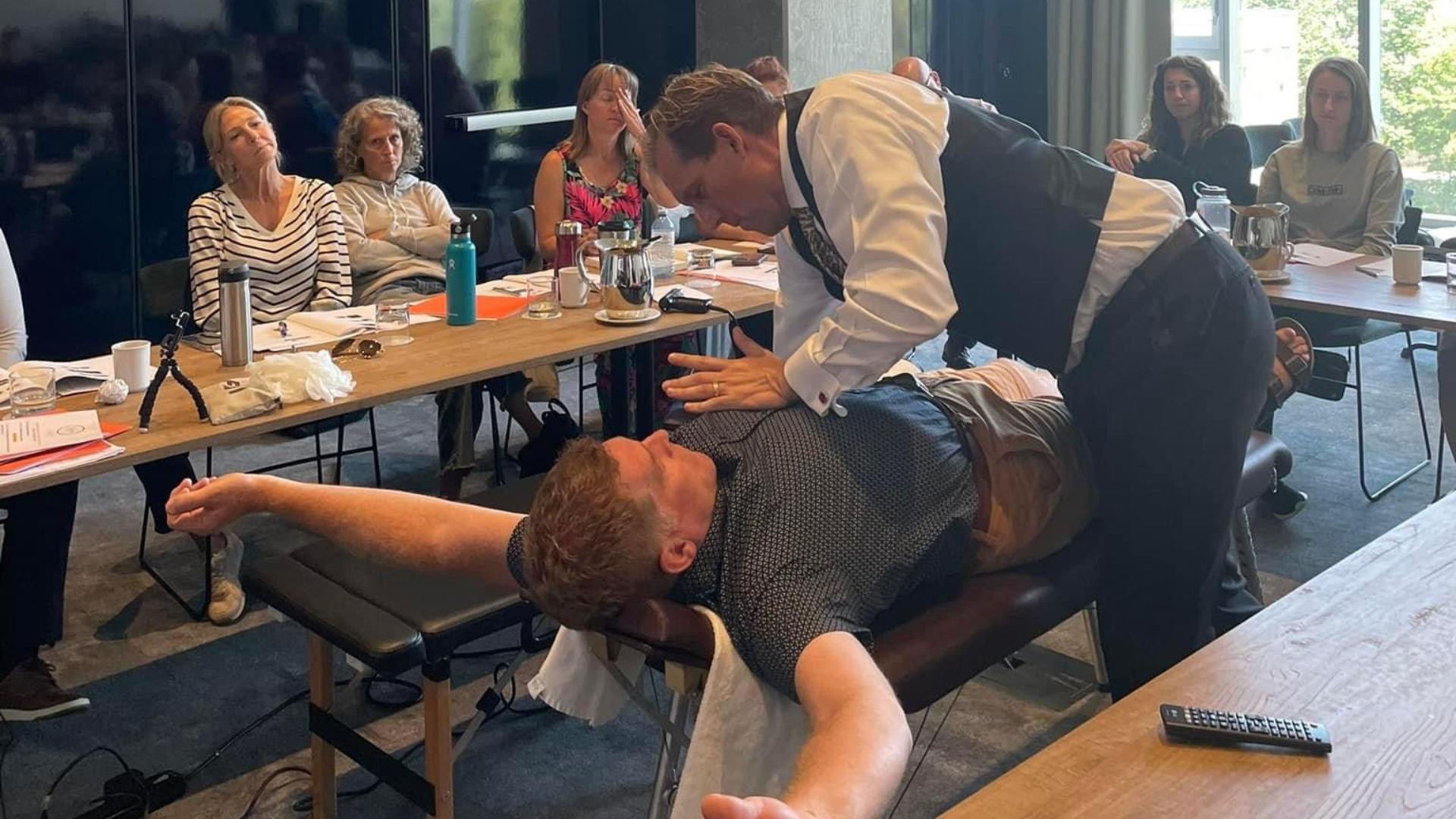
When a mother is under chiropractic care that supports nervous system regulation, the baby doesn’t just feel better—they build better neural architecture for life.
This is the circuit that allows us to:
- Solve problems
- Feel seen and safe
- Engage socially
- Build resilience
Pediatric Care Needs a Reframe
Colic matters.
Cranial bones matter.
Birth trauma matters.
But in today’s world of chronic dysregulation and generational disconnect, we believe something else matters even more:
Caregiver-focused chiropractic care.
Not because babies don’t benefit from being under care.
But because nervous system regulation doesn’t happen in isolation.
We’re mammals.
We require co-regulation to wire our systems for safety, trust, and connection.
Call It Controversial—Or Call It Necessary
We know this may challenge some chiropractors.
We know it’s easier to adjust a baby and call it a win.
But if we truly want to raise a generation of nervous system-literate, resilient, and connected humans, we must start with the caregivers.
That’s what we do.
That’s what we teach.
Because the greatest adjustment you make for a baby might be the one you deliver to their mother.