By Dr. Don MacDonald & Brandi MacDonald | The Informed Chiropractor | Edmonton, Alberta
If you have ever wondered why pelvic floor symptoms can feel “bigger than the pelvis,” you are not imagining it.
One of the most common patterns we see in practice is this: people come in thinking they have a pelvic floor issue, but their body is also carrying tension through their ribs, breathing mechanics, jaw, neck, and shoulders. Or they come in for shoulder problems and later realize their pelvic floor has been quietly working overtime for years.
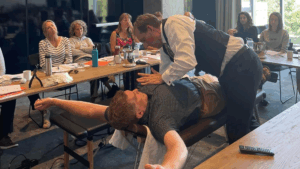
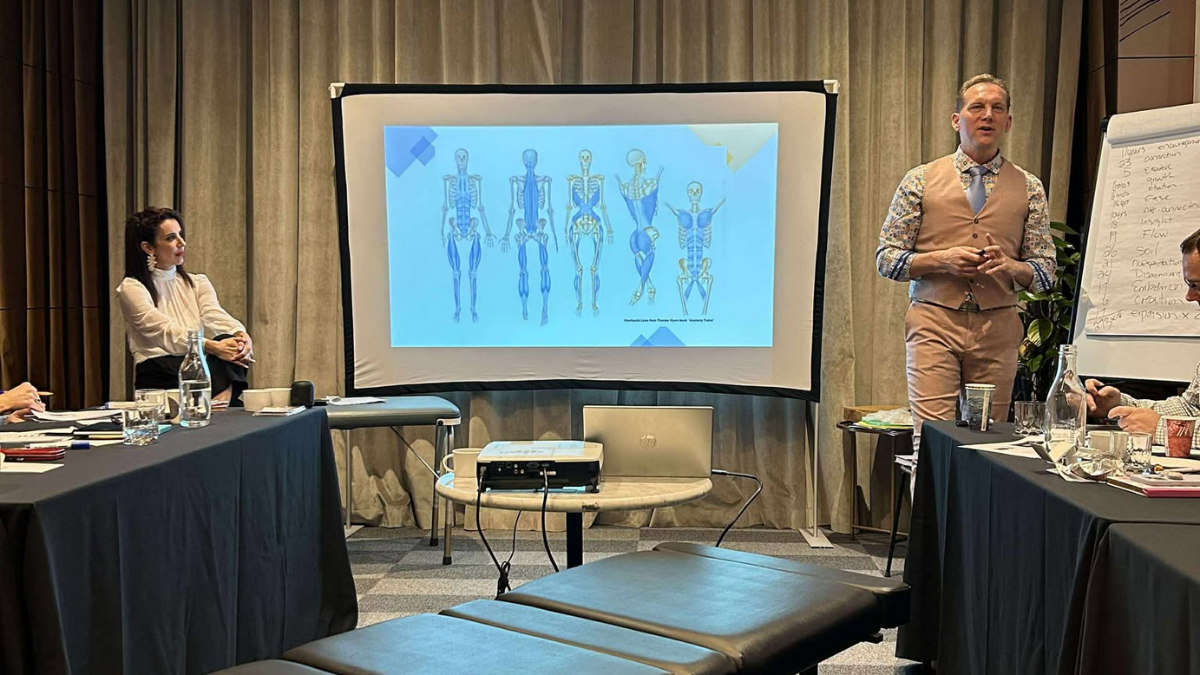
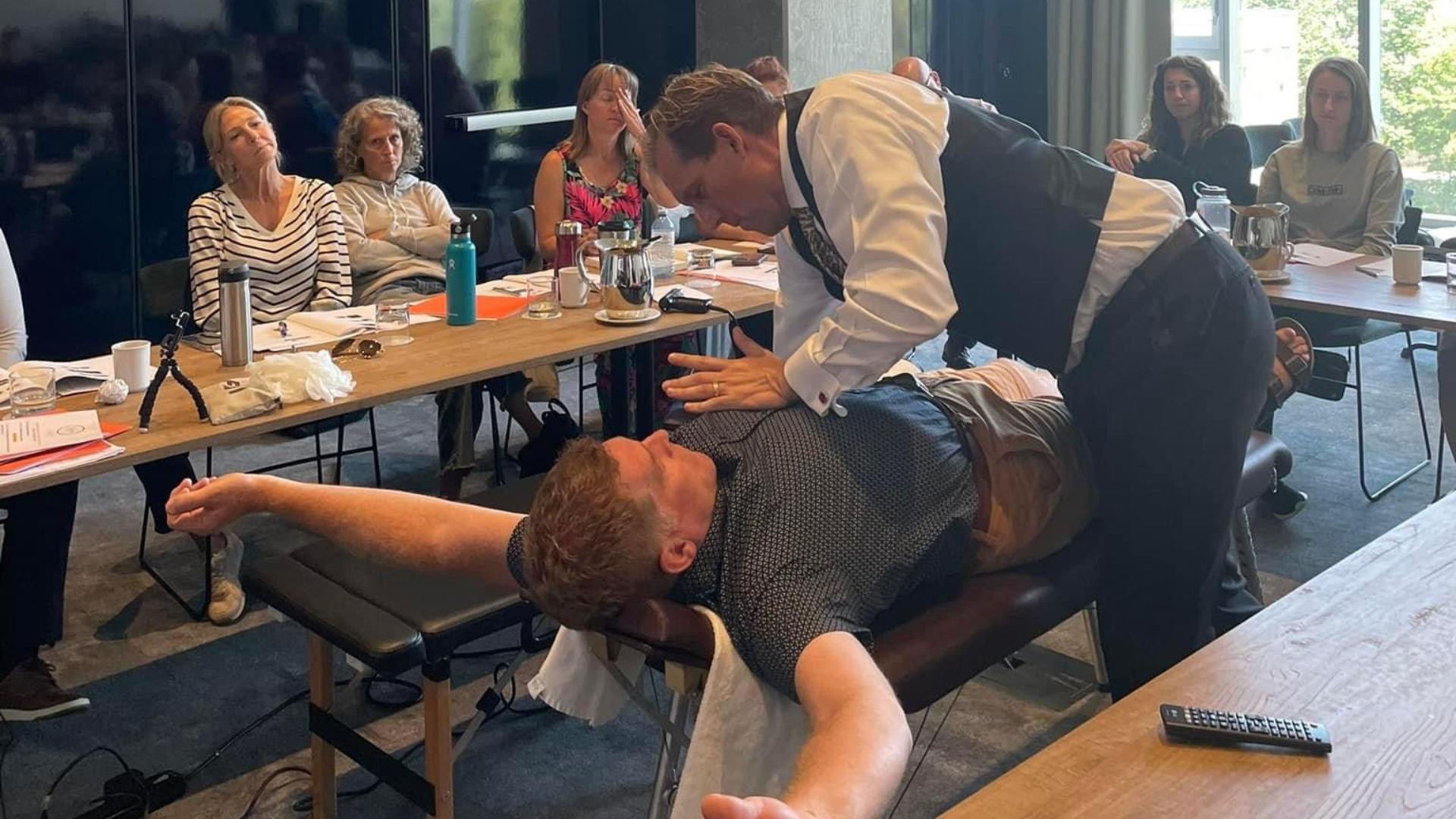
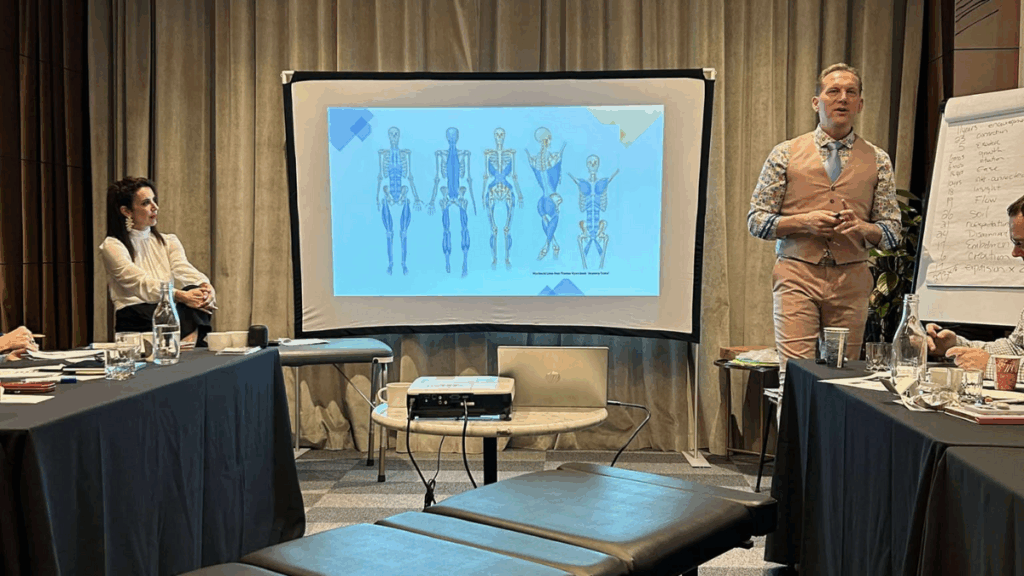
This is exactly why Brandi MacDonald and I created our Shoulder–Pelvic Floor Connection seminar. It is built for chiropractors, but the message applies to real humans living real life too.
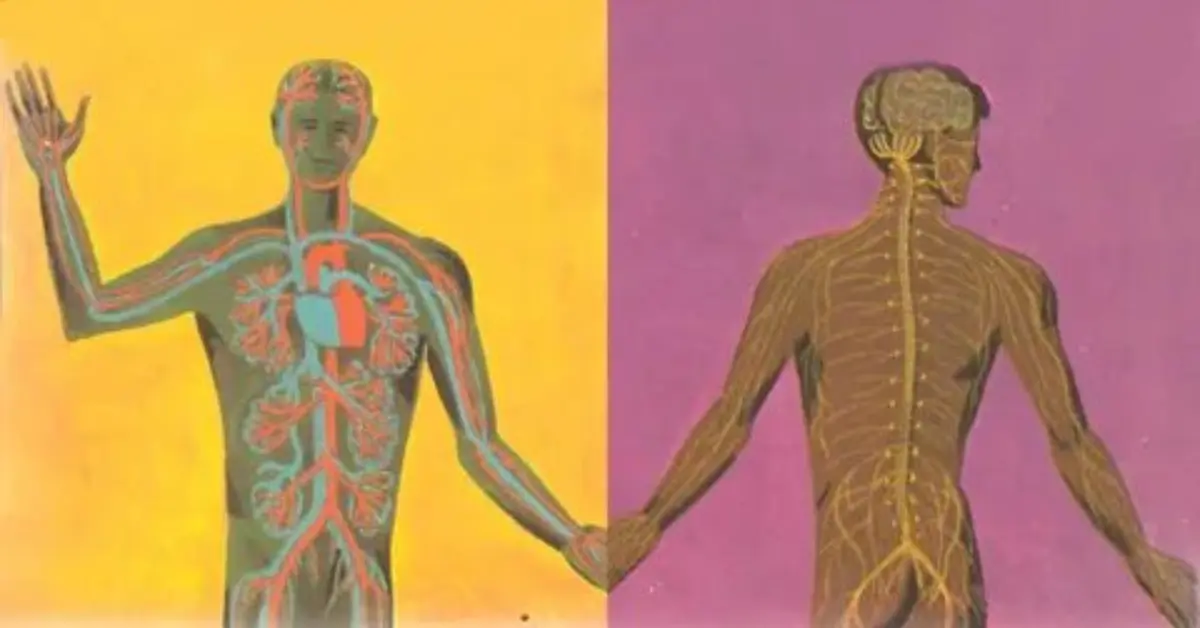
Because pelvic floor health is not just a muscle issue. It is a whole-nervous-system experience.
Pelvic Floor Health Is Not Just Local
The pelvic floor is part of a pressure system.
It responds to breathing.
It responds to posture.
It responds to stress.
It responds to how safe the nervous system feels.
When your system is under chronic load, the body will often create stability wherever it can. Sometimes that stability shows up as gripping in the pelvic floor. Sometimes it shows up as rib restriction. Sometimes it shows up as shoulder tension, shallow breathing, or a diaphragm that is not moving well.
And when those pieces are not working together, the pelvic floor can become the “last line of defense.”
Why the Shoulder and Pelvic Floor Are Connected
A simple way to think about it is this:
The pelvis and the shoulders are both stability hubs.
They help organize posture, balance, and movement in a world that is constantly demanding output.
When the nervous system senses threat (physical, chemical, emotional, or sensory), the body often chooses a strategy:
- Hold
- Brace
- Guard
- Get rigid
- Go quiet
- Or swing between “on” and “off.”
That strategy can show up in the pelvic floor and the shoulder complex.
And if your breathing mechanics are compromised, the pressure system changes. The pelvic floor can begin to compensate. The ribs can stiffen. Neck and shoulder tone can rise. The body is trying to stay safe, not trying to frustrate you.
A Polyvagal Lens: Why Safety Changes Everything
We teach and practice through a Polyvagal lens because it gives language to what chiropractors see every day.
When a person feels safe, their nervous system has more capacity.
When capacity rises, the body can unwind patterns it has been gripping for years.
When the body unwinds, function improves.
Pelvic floor health often improves when the nervous system shifts out of chronic defense.
This does not mean pelvic floor symptoms are “all in your head.” It means the nervous system is the master organizer of muscle tone, breathing patterns, and tension strategies.
And that matters, because pelvic floor issues are often connected to:
- Persistent stress and over-responsibility
- Breathing pattern changes
- Rib cage stiffness and poor diaphragm motion
- Postural compensation
- Past injuries
- A system that has been “bracing” for a long time
What Chiropractic Can Do in This Conversation
Chiropractic care is not pelvic floor physiotherapy.
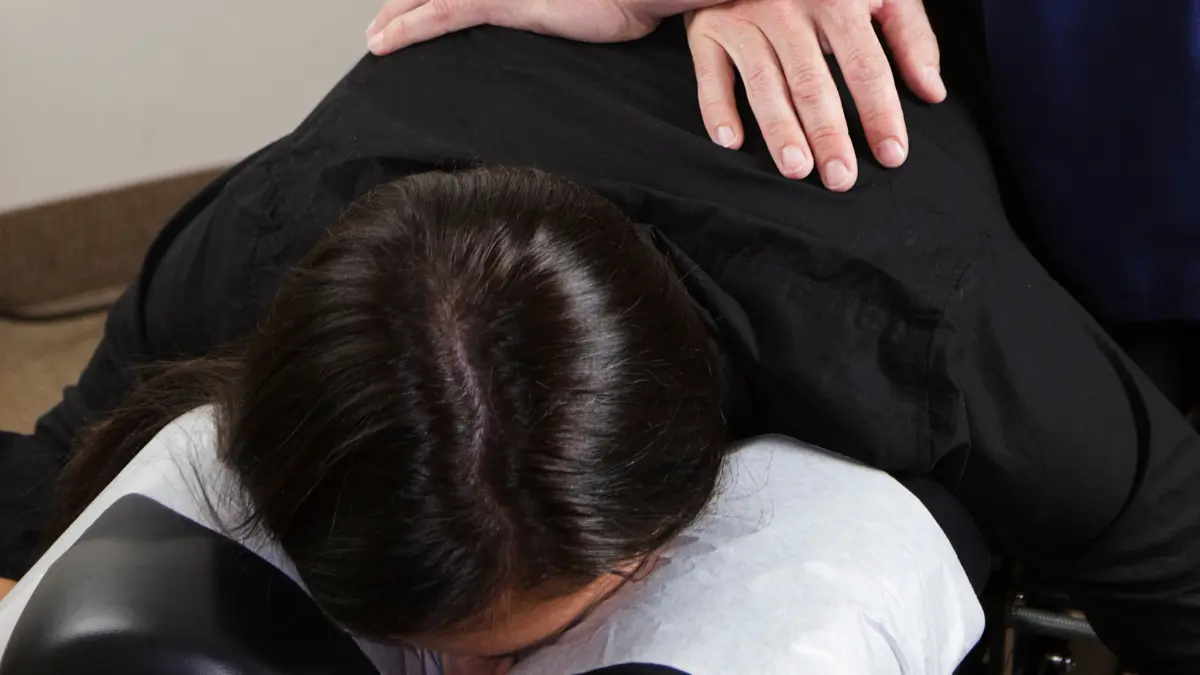
But chiropractic care can influence the system in which the pelvic floor resides.
When the spine, ribs, cranial base, and breathing mechanics improve, the nervous system receives different input. When the nervous system gets different input, tone can change. When tone changes, patterns of bracing can soften.
That is why we teach chiropractors how to adjust in a way that supports better neurological regulation, not just better mechanics.
And it is why people often report changes that they did not expect, such as:
- easier breathing
- less tension in the hips and low back
- improved sense of ease after care
- posture changes
- improved awareness of pelvic tension
- less “clenching” through the day
What We Taught in the Shoulder–Pelvic Floor Connection Seminar
This seminar was built around a clinical reality: you can’t separate the pelvic floor from the pressure system, and you can’t separate the pressure system from the nervous system.
In our training, we focused on:
- Understanding how pelvic floor tension can be a protective strategy
- recognizing patterns that link ribs, diaphragm, shoulder tone, and pelvic floor load
- assessing global tone and regulation, not just symptoms
- Adjusting with cues of safety so the system can receive the input
- practical ways to create better outcomes without forcing change
A major theme was simple: small changes in how you assess and adjust can create massive changes in outcome.
For Chiropractors: Why This Matters Clinically
If you are a chiropractor, pelvic floor concerns will show up in your practice whether patients say the words or not.
The shoulder–pelvic floor pattern is often sitting underneath:
- chronic low back tension
- persistent hip tightness
- breathing restriction
- rib stiffness
- Headaches and neck tension are tied to global tone
- recurring “stress injuries.”
- patients who don’t hold changes well
When you start seeing these patterns through a regulation-first lens, the conversation changes. Your care plans get cleaner. Your outcomes get more consistent. And your patients feel more understood.
For Practice Members: What To Do If This Feels Like You
If pelvic floor issues are part of your story, start here:
- Notice your breathing. Is it shallow? Restricted? High in the chest?
- Notice your shoulders. Are they always “on”?
- Notice your pelvis. Is it always braced, tucked, clenched, or guarded?
- Notice stress load. Not just big stress, but daily micro-stress.
- Get assessed by providers who understand the whole system.
Pelvic floor health is often a team approach. Chiropractic may be one piece. Pelvic floor physio may be another. Strength training, breathing work, and stress capacity work may matter too.
But the biggest shift is this: stop treating the pelvis as if it were isolated.
About Dr. Don MacDonald & Brandi MacDonald
Dr. Don MacDonald is a chiropractor in Edmonton, Alberta, and the co-creator of the MacDonald Safety Corridor Protocol. https://www.theinformedchiropractor.com/the-macdonald-safety-corridor Together with Brandi MacDonald, he leads The Informed Chiropractor mentorship community and teaches seminars internationally for chiropractors who want to elevate their clinical certainty, communication, and outcomes.
Brandi works alongside Don, bringing depth to the communication, regulation, and leadership side of practice growth. Their work integrates chiropractic principles with Polyvagal theory, helping chiropractors refine their assessments, amplify their adjustments without changing technique, and achieve more predictable, sustainable results in practice.
Through their live seminars and mentorship programs, they equip chiropractors to move beyond mechanics and begin adjusting with a deeper understanding of nervous system organization, safety, and regulation.https://www.theinformedchiropractor.com/
Want to Learn More?
If you are a chiropractor interested in our Shoulder–Pelvic Floor Connection training or our MacDonald Safety Corridor Protocol seminars, keep an eye on upcoming events and trainings.
If you would like to take our free introduction to the Polyvagal theory for Chiropractors course, visit. https://www.theinformedchiropractor.com/introduction-to-chiropractic-through-a-polyvagal-lens
Frequently asked questions
How are the pelvic floor and shoulders connected?
They are connected through posture, breathing mechanics, and nervous system tone. When the system is under stress, the body can brace globally, including the shoulders and the pelvic floor.
Can chiropractic help pelvic floor problems?
Chiropractic does not replace pelvic floor physiotherapy, but it may support pelvic floor function by improving spinal, rib, and nervous system input that influences breathing and muscle tone.
What is the polyvagal theory connection to pelvic floor health?
Polyvagal theory helps explain how safety and nervous system state influence muscle tone, bracing patterns, breathing, and the body’s ability to shift out of chronic defense.