
Nervous System Regulation for Chiropractors: Why Healing Begins with Safety
Most chiropractors have seen it.
Two patients receive the same adjustment.
One leaves feeling lighter, calmer, and more connected.
The other experiences only temporary change.
The difference is often not the technique.
It is the state of the nervous system receiving care.
Understanding nervous system regulation helps chiropractors recognize why patients respond differently, why some people heal quickly while others struggle, and how creating safety can improve clinical outcomes.
Trusted by chiropractors worldwide
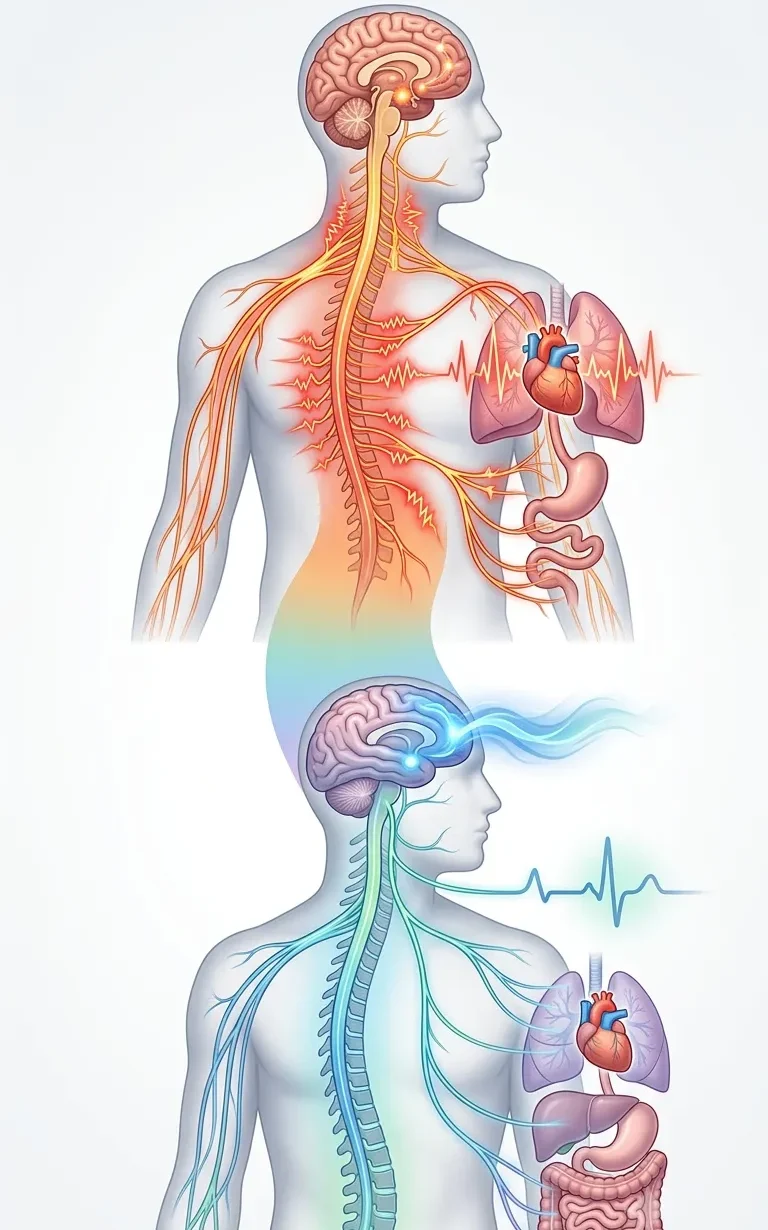
What Is Nervous System Regulation?
Nervous system regulation refers to the body’s ability to adapt to changing circumstances while maintaining stability and function. A regulated nervous system can:
- Recover from stress
- Adapt to challenges
- Maintain emotional balance
- Support healing
- Improve communication
- Create flexibility in behavior and physiology
When the nervous system becomes dysregulated, people often experience chronic stress, overwhelm, fatigue, tension, anxiety, poor recovery, and difficulty adapting to life demands.
Regulation is not simply relaxation. It is the ability to move through different states and return to balance.

Why Nervous System Regulation Matters in Chiropractic
Chiropractors have always worked with the nervous system.
However, many traditional models focused primarily on biomechanics, posture, and structural correction. Today we understand that the nervous system influences every aspect of the patient experience.
Patients bring more than spinal tension into the office. They bring:
- Chronic stress
- Emotional overwhelm
- Burnout
- Trauma histories
- Sleep challenges
- Relationship stress
- Workplace pressure
These experiences shape how the nervous system responds to care. When regulation improves, patients often become more adaptable, resilient, and responsive to treatment.

Signs of a Regulated Nervous System
A regulated nervous system often shows itself through:
- Calm breathing
- Flexible movement
- Better sleep
- Emotional stability
- Healthy social engagement
- Improved focus
- Better stress recovery
- Greater adaptability
Patients frequently describe feeling:
- More present
- More connected
- Less reactive
- More confident
- More comfortable in their body
These are signs that the nervous system is functioning more efficiently.

What Causes Nervous System Dysregulation?
Dysregulation develops when the nervous system becomes stuck in protective patterns.
Common contributors include:
- Chronic stress
- Trauma
- Sleep deprivation
- Persistent pain
- Illness
- Burnout
- Social isolation
- Unpredictable environments
When these patterns persist, the body may remain in states of protection even when danger is no longer present. This can influence posture, breathing, communication, healing, and overall wellbeing.
Polyvagal Theory and Nervous System Regulation
Polyvagal Theory provides a framework for understanding regulation. Developed by Dr. Stephen Porges, the theory explains how the autonomic nervous system constantly evaluates safety and danger.
The three primary states include:
Ventral Vagal State : Safety, connection, healing, learning, and social engagement.
Sympathetic State : Mobilization, stress, fight, flight, and increased activation.
Dorsal Vagal State : Shutdown, withdrawal, collapse, and conservation.
The goal is not to eliminate protective states.
The goal is to develop flexibility and improve the ability to return to regulation.


How Chiropractors Can Support Nervous System Regulation
Chiropractors can influence the patient experience long before an adjustment occurs.
Factors that may support regulation include:
- Predictable office experiences
- Calm communication
- Clear explanations
- Consistent procedures
- Appropriate touch
- Respectful interactions
- Building trust over time
These factors help create an environment where patients feel safe enough to receive care.

The MacDonald Safety Corridor Protocol
The MacDonald Safety Corridor Protocol provides a practical framework for creating conditions that support regulation before, during, and after chiropractic care.
The protocol emphasizes:
- Safety
- Connection
- Communication
- Predictability
- Patient awareness
Rather than focusing only on the adjustment, chiropractors learn to guide patients through an experience that supports nervous system adaptability and healing.
Practical Applications in Everyday Practice
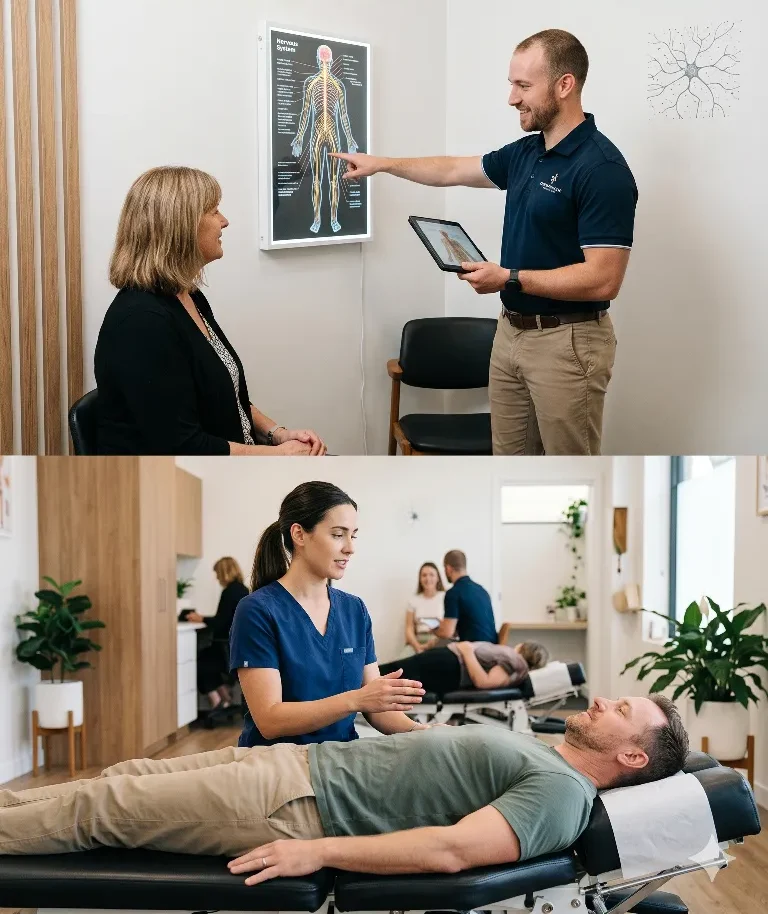
Nervous system regulation can be integrated into practice through:
- Better communication
- Improved patient education
- Enhanced listening skills
- Consistent office procedures
- Awareness of patient state
- Thoughtful clinical interactions
Small changes can create meaningful differences in how patients experience care.

The Future of Nervous System Focused Chiropractic
Healthcare is increasingly recognizing the importance of regulation, resilience, and adaptability.
Patients are looking for approaches that address more than symptoms alone.
Chiropractors who understand nervous system regulation are uniquely positioned to help people navigate stress, improve function, and create lasting change.
The future of chiropractic may depend less on doing more and more on understanding the system receiving care.
The Polyvagal Theory for Chiropractors
FREE 1-HOUR TRAINING
An Introduction to the Polyvagal Theory for Chiropractors.
Discover how understanding the nervous system transforms the way you adjust, communicate, and lead your practice.
Trusted by chiropractors seeking deeper patient connection and purpose-driven care.
How To Work With Us
Whether you want to learn, deepen your understanding, or transform your practice—there’s a path forward.
Understanding the Nervous System
Communicating Through Connection
Understanding the Body’s Signals
Techniques for Regulation
Frequently Asked Questions About Nervous System Regulation
Learn more about Nervous system regulation, Polyvagal Theory, chiropractic philosophy, patient communication, and Dr. Don MacDonald’s approach to chiropractic care.
What is nervous system regulation?
Nervous system regulation is the body’s ability to adapt to stress, recover from challenges, and maintain balance across physical, emotional, and social experiences.
Why is nervous system regulation important in chiropractic?
A regulated nervous system is often more adaptable and responsive to care, allowing patients to experience better outcomes and recovery.
Can chiropractic care influence nervous system regulation?
Many chiropractors observe improvements in posture, movement, breathing, communication, and overall wellbeing when regulation improves.
What is nervous system dysregulation?
Dysregulation occurs when the nervous system remains stuck in protective states such as chronic stress, hypervigilance, or shutdown.
How does Polyvagal Theory relate to nervous system regulation?
Polyvagal Theory explains how the autonomic nervous system evaluates safety and danger and influences behavior, healing, communication, and stress responses.
What are signs of a regulated nervous system?
Common signs include calm breathing, improved sleep, emotional stability, flexibility, resilience, and healthy social engagement.