
Patient Retention and Trust:
Why Patients Stay, Refer, and Thrive
Many chiropractors focus on technique, adjustments, and clinical outcomes.
Those things matter.
But they do not fully explain why some patients stay for years, refer their friends and family, and become advocates for your practice.
Patients stay when they feel safe.
They stay when they feel understood.
They stay when they trust you.
Modern neuroscience, Polyvagal Theory, and chiropractic communication help explain why trust may be one of the most important clinical and business skills a chiropractor can develop.
Trusted by chiropractors worldwide

Why Some Patients Stay and Others Leave
Most chiropractors have experienced this:
Two patients receive similar care.
One stays for years.
The other disappears after three visits.
The difference is often not technique.
It is the patient’s experience.
Patients evaluate:
- Do I feel heard?
- Do I feel safe?
- Do I trust this provider?
- Do I understand the care plan?
- Do I believe this person understands me?
These questions are often answered long before clinical results appear.
Trust begins before the adjustment.
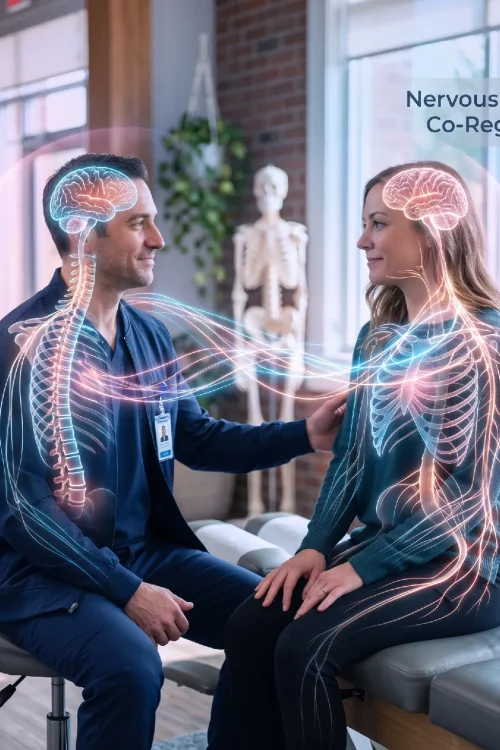
Trust Is a Nervous System Experience
Trust is not simply a decision.
It is a physiological state.
Polyvagal Theory teaches that the nervous system constantly evaluates safety and danger.
This process is called neuroception.
When patients feel safe:
- Communication improves
- Compliance improves
- Healing improves
- Relationships deepen
When patients feel threatened:
- Trust decreases
- Compliance decreases
- Anxiety increases
- Retention drops
Trust is not created through information alone. It is created through experience.
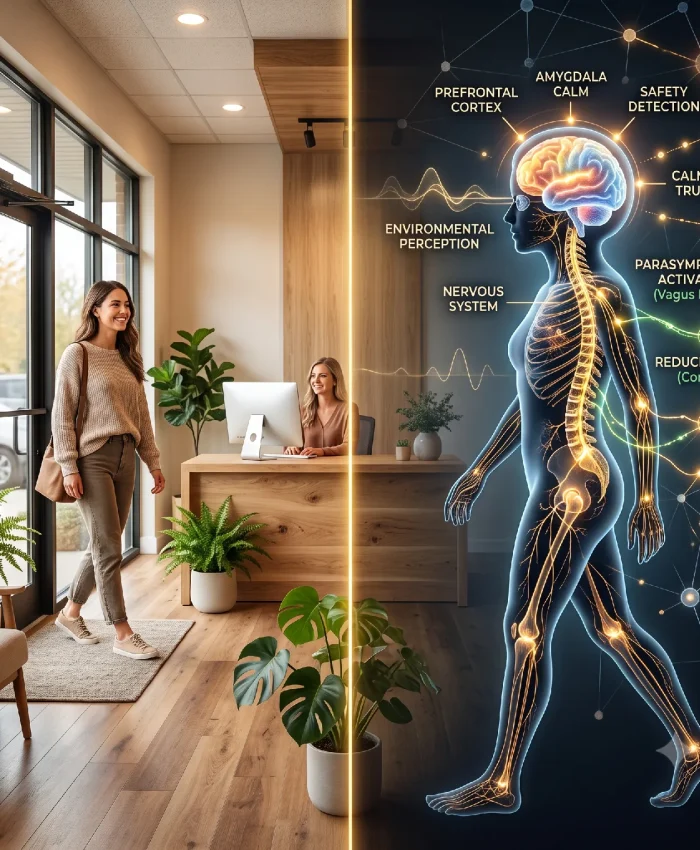
Neuroception and Patient Loyalty
Patients constantly ask one unconscious question: “Am I safe here?”
Their nervous system answers before their conscious mind does.
Neuroception evaluates:
- Tone of voice
- Facial expression
- Body language
- Eye contact
- Pace of conversation
- Clinical environment
A regulated patient is more likely to:
- Follow recommendations
- Attend appointments
- Refer others
- Remain committed to care
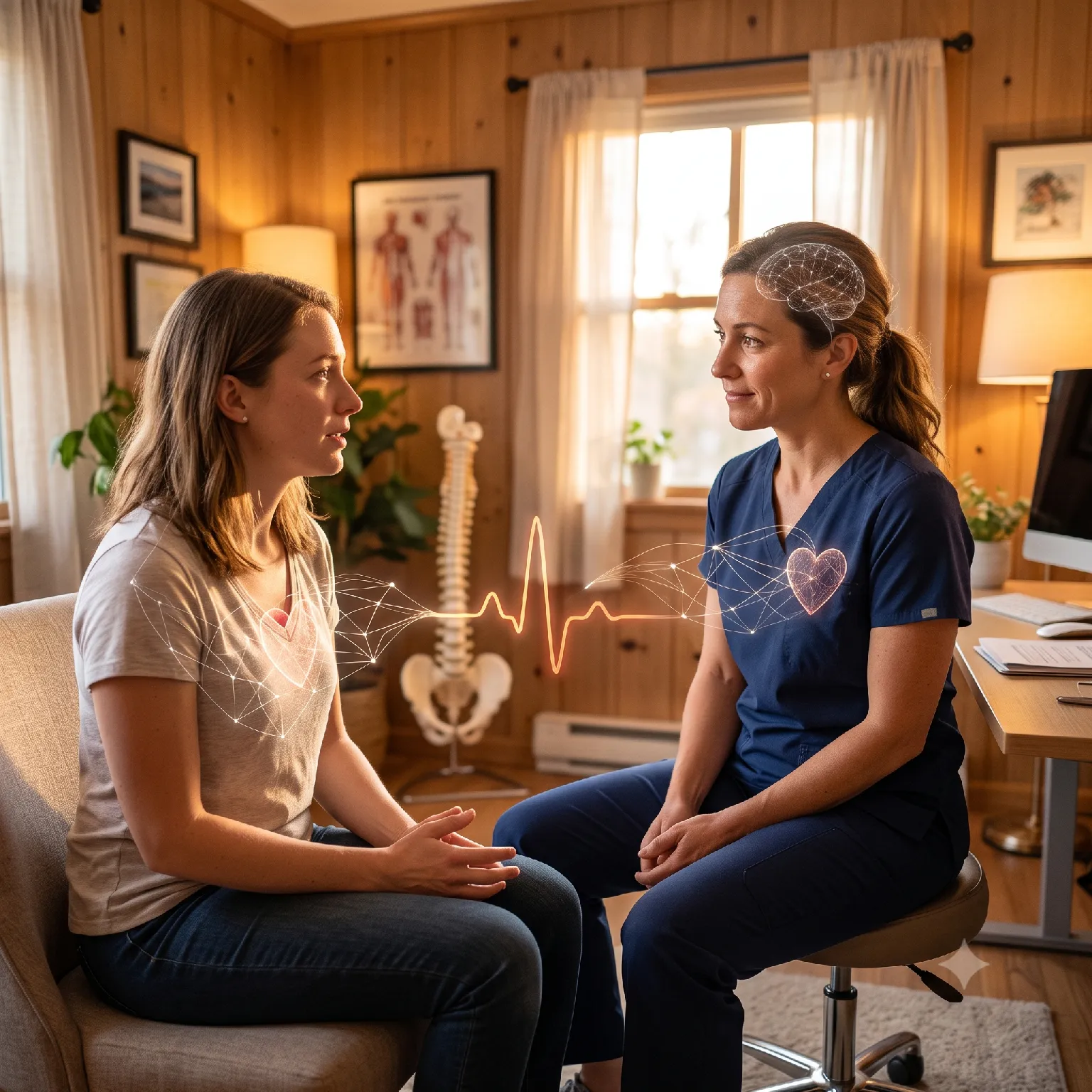
Communication Builds Retention
Patients rarely leave because they lack information.
They leave because they lack connection.
Effective chiropractic communication helps patients:
- Understand their condition
- Understand the purpose of care
- Feel involved in decisions
- Feel understood
Communication should create clarity, not confusion.
The goal is not to impress patients.
The goal is to help them feel safe and understood.
Why Patients Refer Others
People refer businesses they trust.
Referrals happen when patients experience:
- Results
- Consistency
- Authenticity
- Connection
- Confidence
The strongest referral source is not marketing. It is trust.
Patients who feel seen, heard, and supported naturally become ambassadors for your practice.


Common Mistakes That Reduce Retention
Many chiropractors unintentionally create barriers to trust.
Common mistakes include:
- Overloading patients with information
- Using excessive technical language
- Rushing appointments
- Talking more than listening
- Focusing only on structure
Retention improves when patients feel understood rather than educated.
Knowledge matters.
Connection matters more.
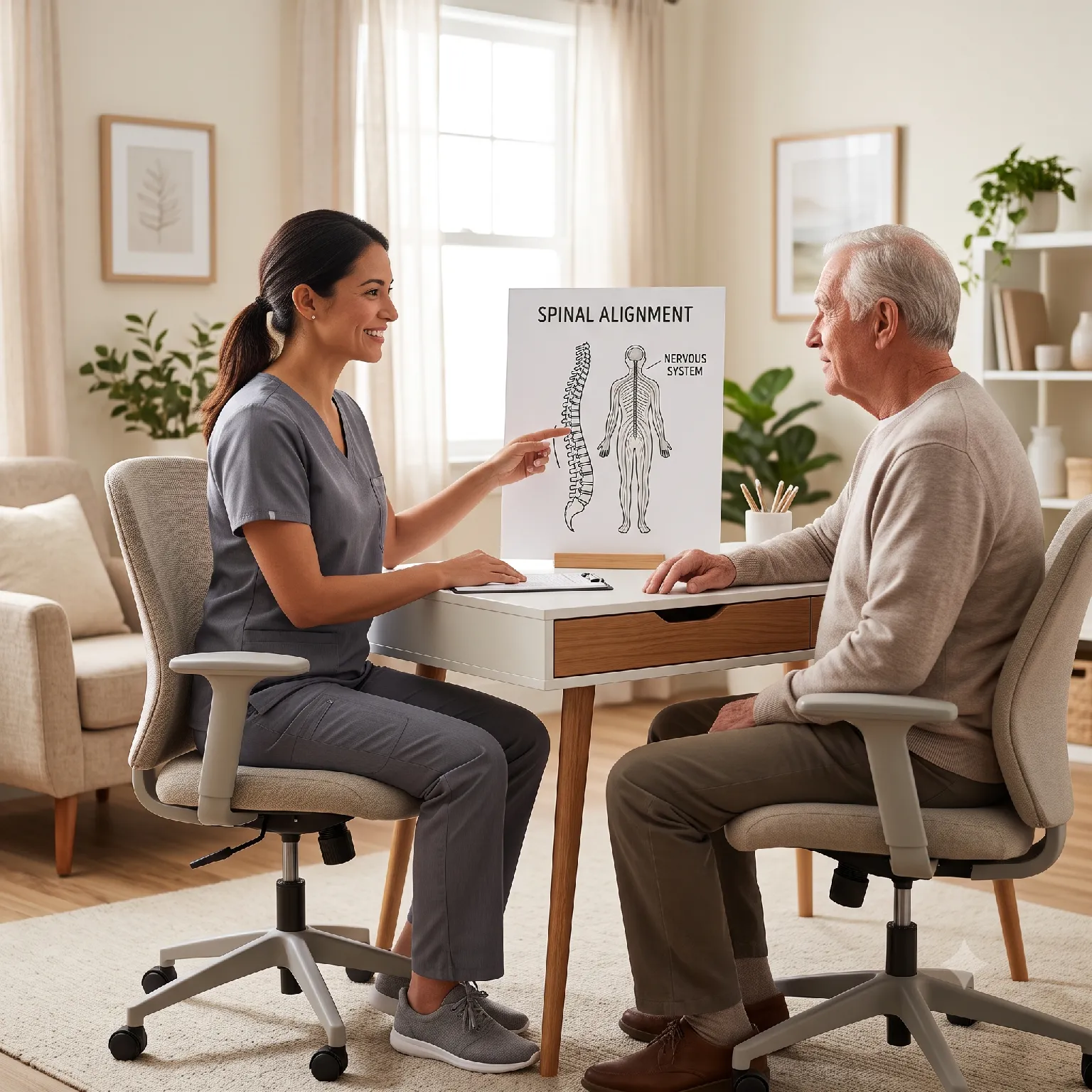
Practical Ways to Improve Patient Trust
You do not need a new technique.
Start with:
- Slowing down conversations
- Improving eye contact
- Listening actively
- Creating predictable patient experiences
- Explaining care in simple language
- Building emotional safety
Small changes often create significant improvements in retention.

Patient Retention and the MacDonald Safety Corridor Protocol
The MacDonald Safety Corridor Protocol recognizes that every interaction influences regulation.
Retention improves when patients experience:
- Safety before care
- Safety during care
- Safety after care
Communication, environment, presence, and clinical skill work together to create trust.
Trust creates consistency.
Consistency improves outcomes.
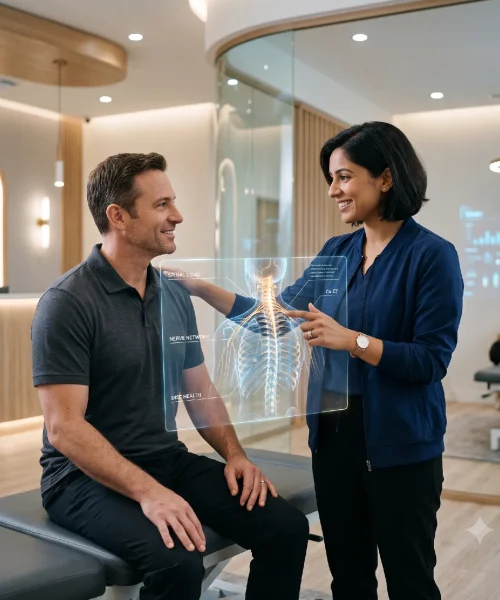
The Future of Chiropractic Retention
Healthcare is changing.
Patients want:
- Connection
- Collaboration
- Trust
- Understanding
- Meaningful relationships
The future belongs to chiropractors who understand both technique and human behavior.
Retention is no longer a marketing strategy.
It is a clinical skill.
The Polyvagal Theory for Chiropractors
FREE 1-HOUR TRAINING
An Introduction to the Polyvagal Theory for Chiropractors.
Discover how understanding the nervous system transforms the way you adjust, communicate, and lead your practice.
Trusted by chiropractors seeking deeper patient connection and purpose-driven care.
How To Work With Us
Whether you want to learn, deepen your understanding, or transform your practice—there’s a path forward.
Understanding the Nervous System
Communicating Through Connection
Understanding the Body’s Signals
Techniques for Regulation
Frequently Asked Questions About Patient Retention and Trust
Learn more about Chiropractic Communication, Vagus Nerve and Chiropractic Care, Neuroception for Chiropractors and Polyvagal Theory
Why is patient retention important in chiropractic?
Patient retention improves clinical outcomes, patient satisfaction, referrals, and long-term practice stability.
What causes patients to leave chiropractic care?
Patients often leave when they feel misunderstood, disconnected, confused, or uncertain about their care.
How does trust affect patient retention?
Trust improves compliance, communication, referrals, and commitment to care plans.
What is neuroception?
Neuroception is the nervous system’s unconscious process of detecting safety or danger before conscious awareness.
How does Polyvagal Theory relate to patient retention?
Polyvagal Theory helps explain how safety, connection, and nervous system regulation influence patient behavior and decision-making.
Can communication improve patient retention?
Yes. Clear, empathetic communication is one of the strongest predictors of patient trust and long-term retention.
Why do patients refer friends and family?
Patients refer providers they trust and who consistently create positive experiences.
What is the MacDonald Safety Corridor Protocol?
It is a framework that helps chiropractors understand how communication and clinical interactions influence nervous system regulation before, during, and after care.
How can chiropractors improve patient trust?
By listening actively, communicating clearly, creating predictable experiences, and helping patients feel safe and understood.
Is patient retention a business skill or a clinical skill?
Both. Retention reflects patient experience, trust, communication, and clinical effectiveness.