
Neuroception for Chiropractors: Why Safety Shapes Every Patient Experience
Most chiropractors have experienced this situation.
Two patients walk into the office with similar symptoms. One quickly feels comfortable, engages in care, and responds well to treatment. The other remains guarded, skeptical, and difficult to connect with despite receiving the same level of attention and clinical expertise.
Why does this happen?
Polyvagal Theory offers an explanation through a concept called neuroception.
Neuroception helps chiropractors understand how patients unconsciously detect safety, danger, and threat before conscious thought ever occurs. It influences trust, communication, adaptation, and the nervous system’s ability to receive care.
For chiropractors who want to improve patient outcomes, understanding neuroception may be one of the most valuable skills they can develop.
Trusted by chiropractors worldwide
What Is Neuroception?
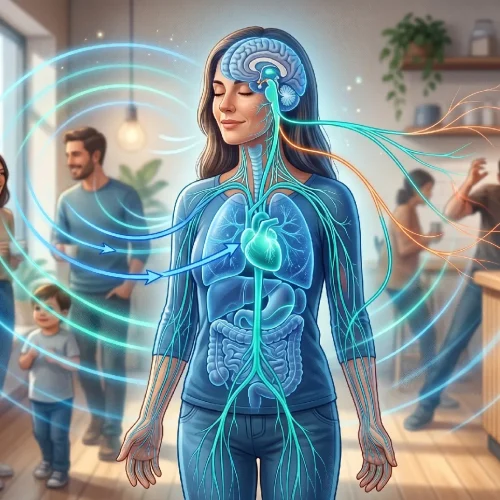
Neuroception is a term developed by neuroscientist Dr. Stephen Porges, the creator of Polyvagal Theory.
It describes the nervous system’s unconscious process of evaluating whether an environment, person, or experience feels safe, dangerous, or life-threatening.
Unlike perception, neuroception occurs automatically and below conscious awareness. Patients do not consciously decide whether they feel safe first. Their nervous systems make that decision before conscious thought begins.
This process occurs continuously throughout the day and influences every interaction we have.
Why Neuroception Matters in Chiropractic Care
Many chiropractors focus on biomechanics, posture, movement, and technique.
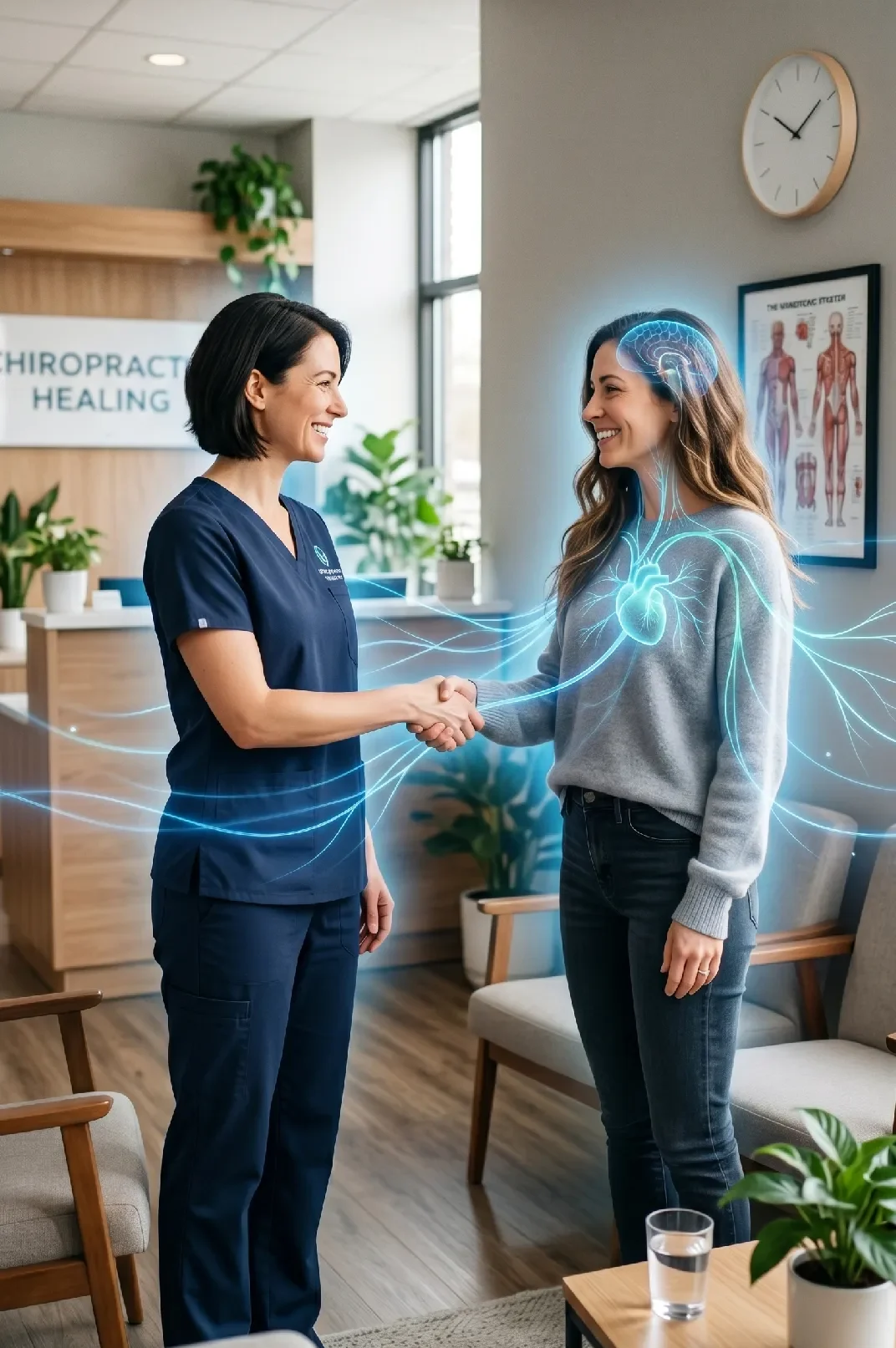
While these remain important, neuroception reminds us that patients are also evaluating the experience of care itself.
The nervous system is constantly asking:
- Am I safe?
- Can I trust this person?
- Is this environment predictable?
- Do I feel understood?
The answers influence how patients respond physically, emotionally, and neurologically.
A patient who feels safe is often more open to communication, education, and clinical care.
The Difference Between Perception and Neuroception
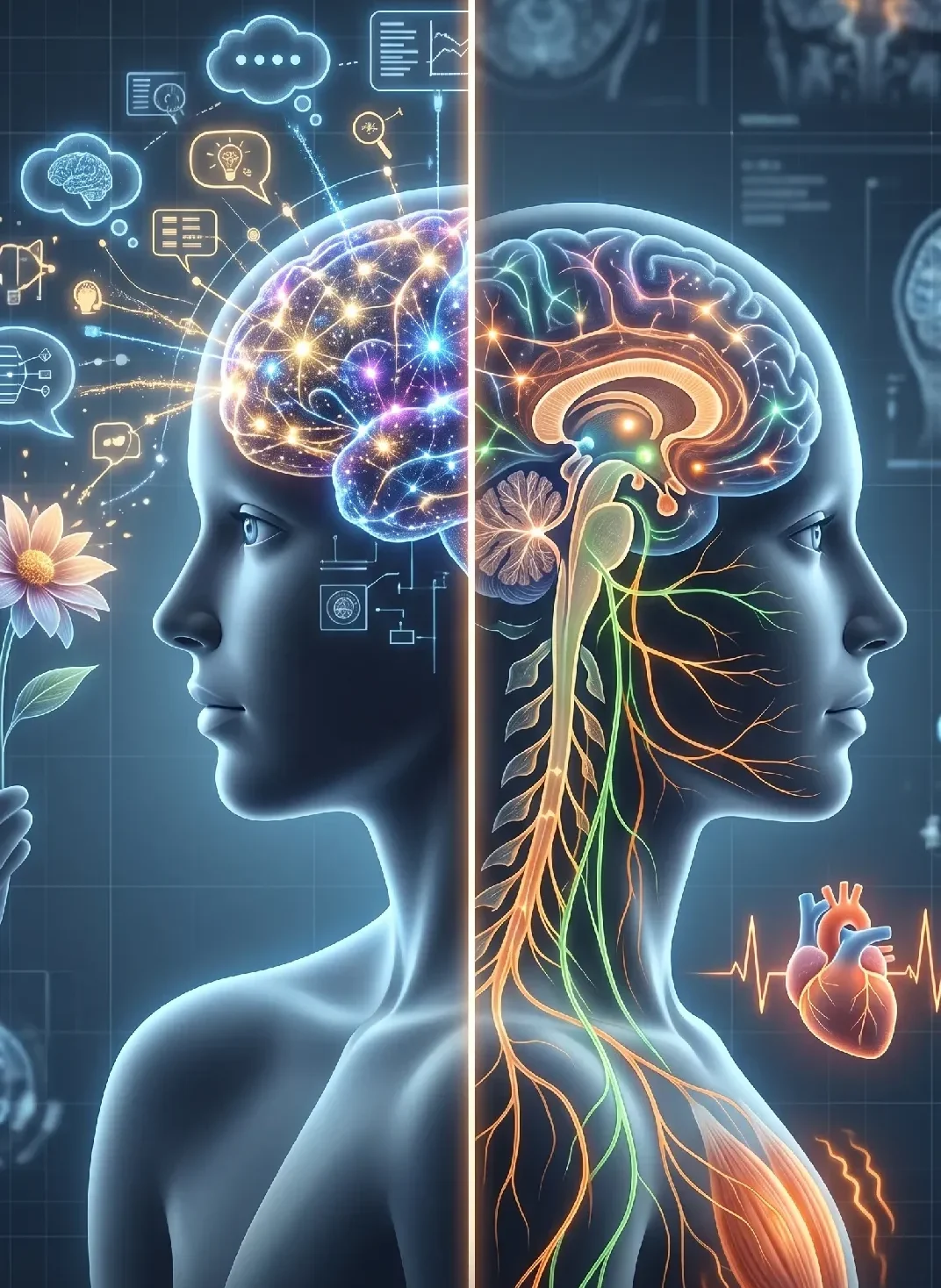
Perception involves conscious awareness.
Neuroception happens before conscious awareness.
For example, a patient may verbally say they feel comfortable in an office.
However, if their nervous system detects cues associated with danger, stress, or uncertainty, they may still remain physiologically defensive.
This explains why reassurance alone does not always create trust.
The nervous system must also perceive safety.
How Patients Detect Safety
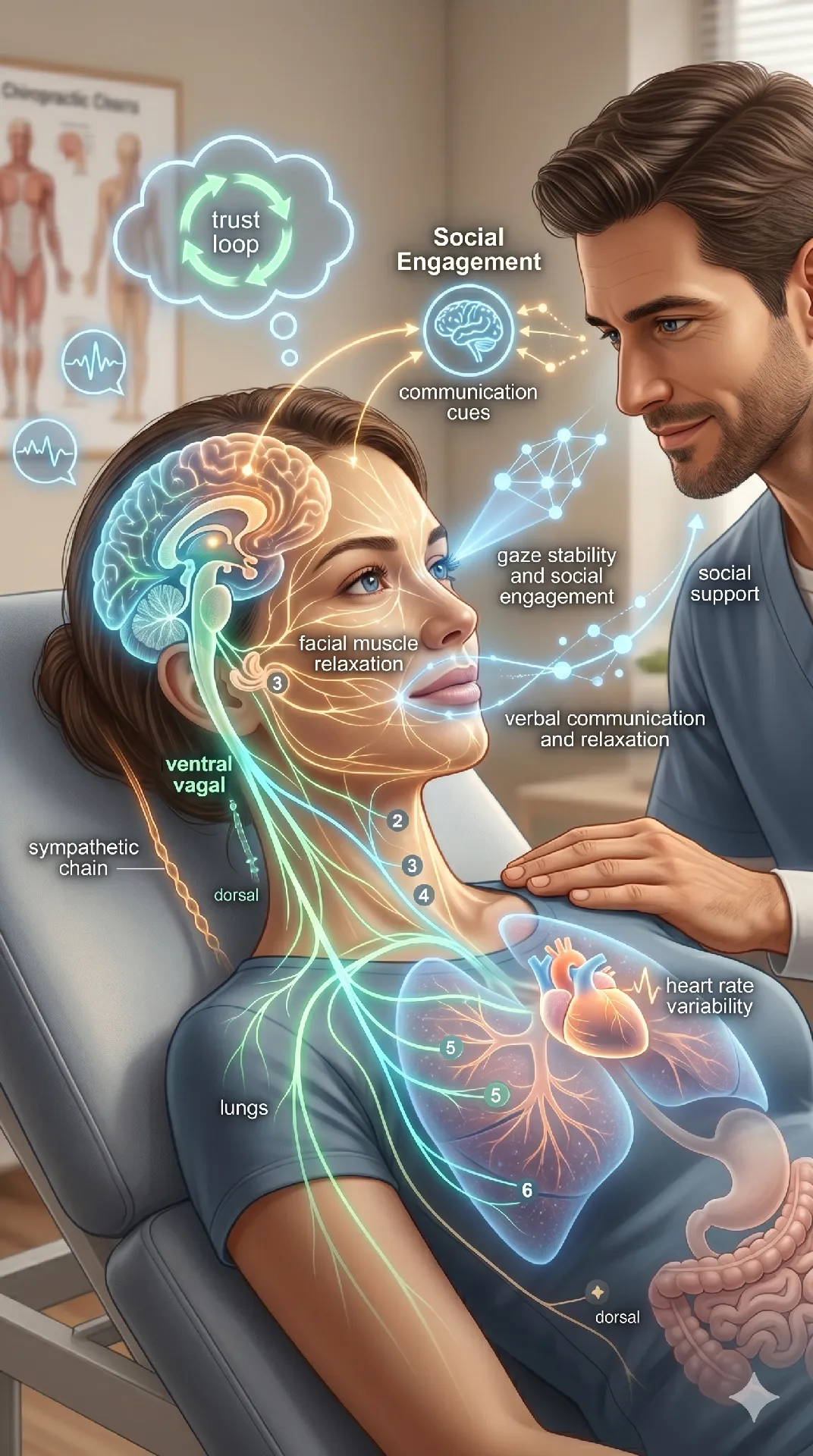
Neuroception relies on subtle signals.
Patients constantly monitor:
- Facial expressions
- Tone of voice
- Eye contact
- Body language
- Office environment
- Predictability
- Pace of communication
These signals influence whether the nervous system shifts toward connection or protection. Small details often matter more than chiropractors realize.
How Neuroception Influences Patient Outcomes
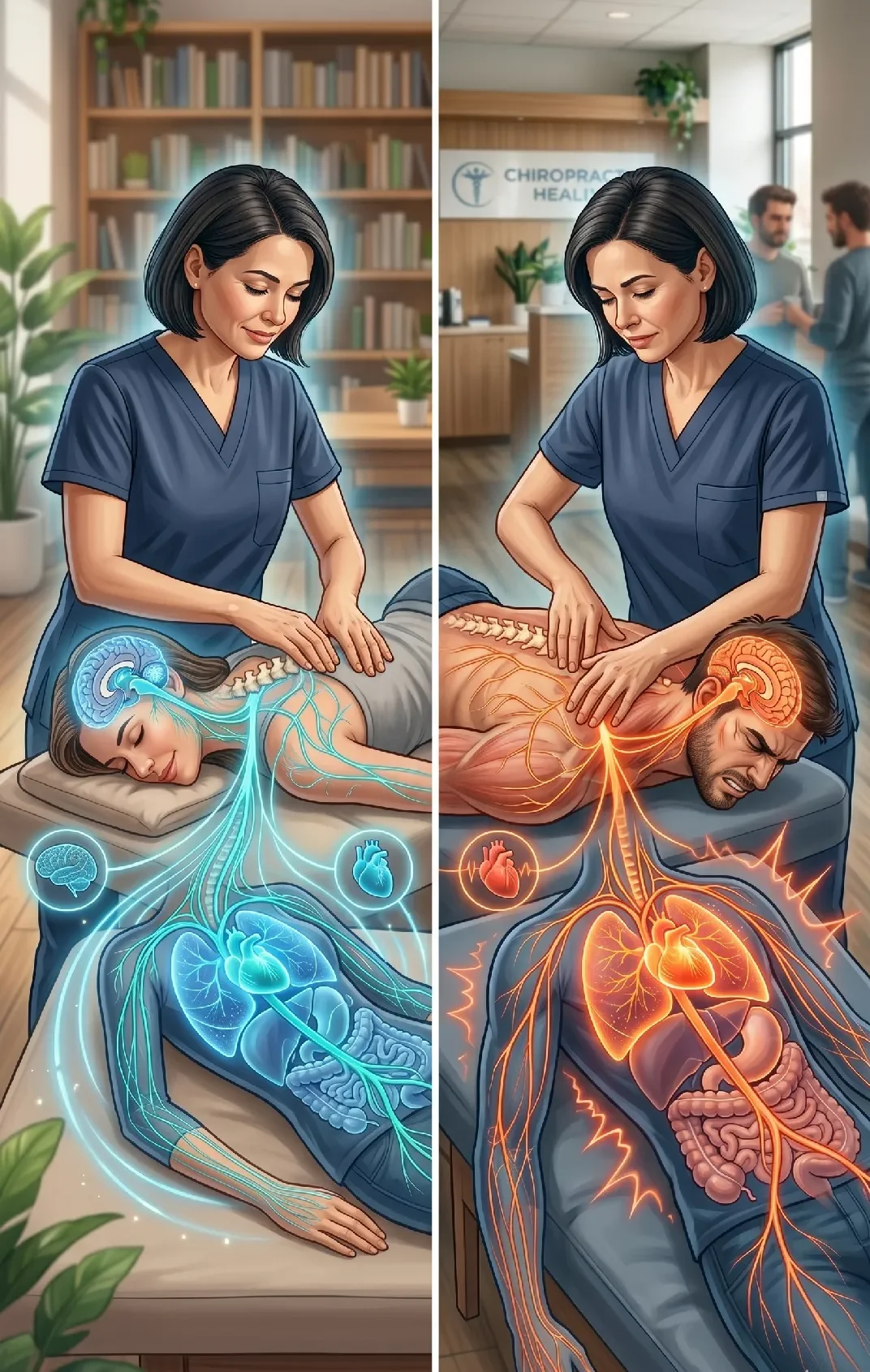
Neuroception directly affects nervous system regulation.
When patients feel safe:
- Communication improves
- Breathing becomes more relaxed
- Muscles become less guarded
- Learning increases
- Trust develops more easily
When patients feel threatened:
- Stress responses increase
- Defensive patterns emerge
- Communication becomes difficult
- Adaptability decreases
Understanding these differences helps chiropractors create more effective clinical experiences.
Neuroception and the Chiropractic Adjustment
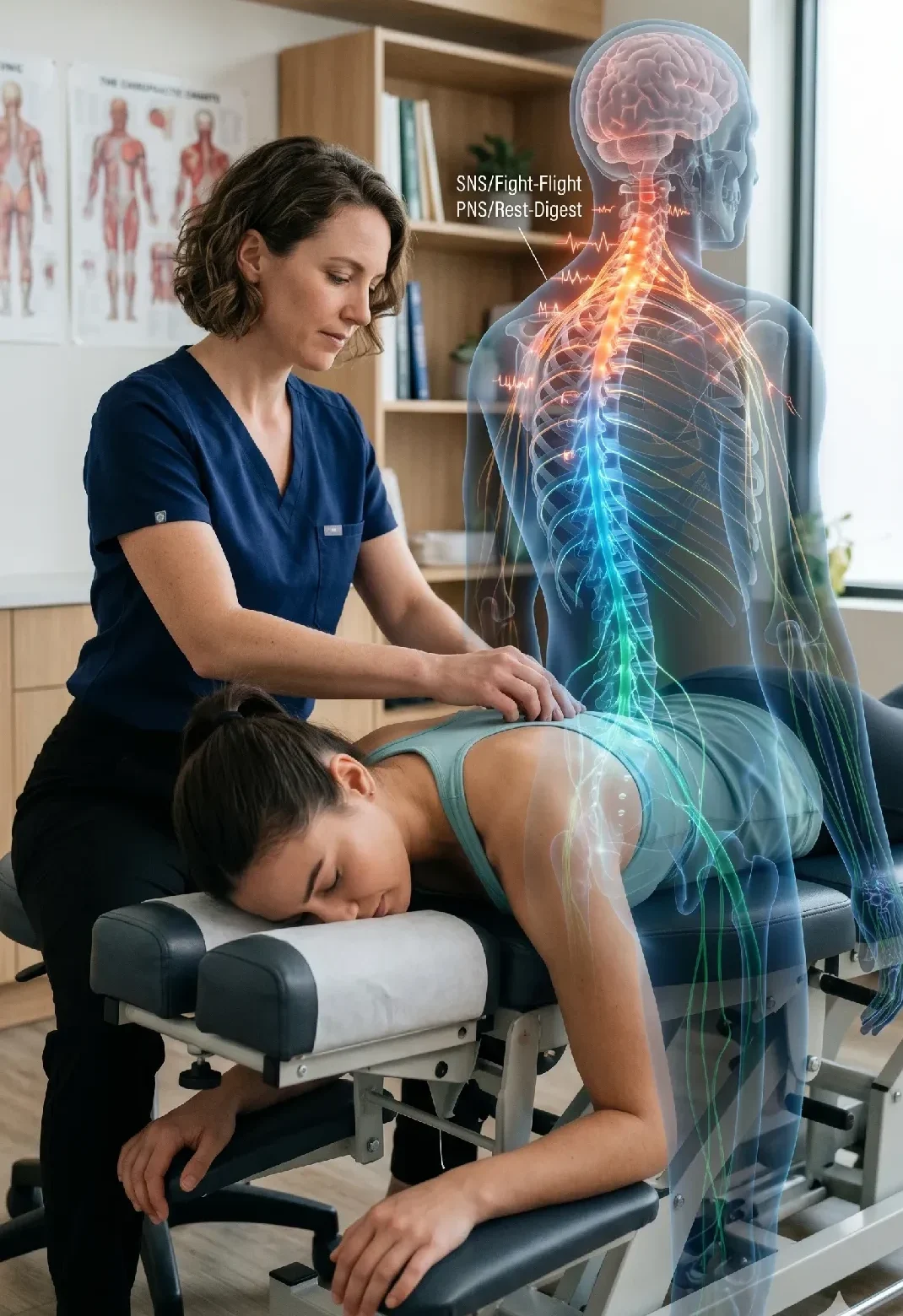
The adjustment is more than a mechanical event.
It is also a neurological experience.
Patients receive the adjustment through the state of their nervous system.
Neuroception influences how the body interprets touch, movement, communication, and clinical interactions.
Understanding this concept helps chiropractors appreciate why the same adjustment can produce different responses in different people.

Neuroception and the MacDonald Safety Corridor Protocol
The MacDonald Safety Corridor Protocol builds upon the understanding that safety matters.
Rather than focusing only on the adjustment, the protocol encourages chiropractors to create experiences that support regulation before, during, and after care.
By understanding neuroception, chiropractors can better recognize how patients move between states of protection and connection.
This perspective helps create more predictable, patient-centered clinical experiences.

Practical Ways Chiropractors Can Improve Neuroception
Simple changes can make a meaningful difference.
Examples include:
- Slowing down communication
- Using predictable office procedures
- Improving patient education
- Listening actively
- Reducing unnecessary uncertainty
- Creating welcoming environments
The goal is not perfection.
The goal is helping patients experience more safety and connection throughout care.
Why Neuroception May Be One of the Most Important Concepts in Modern Chiropractic
Neuroception helps chiropractors better understand patient behavior, communication, regulation, and adaptation.
It explains why trust matters.
It explains why some patients improve quickly while others struggle.
It explains why safety influences outcomes.
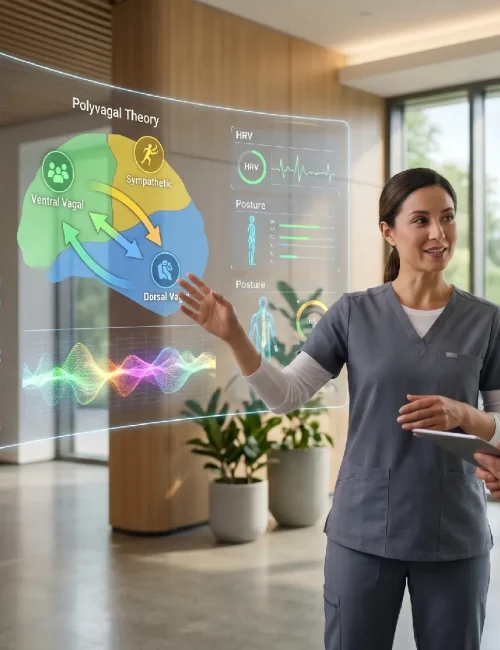
As chiropractors continue integrating Polyvagal Theory into practice, neuroception may become one of the most valuable lenses for understanding the patient experience.
The Polyvagal Theory for Chiropractors
FREE 1-HOUR TRAINING
An Introduction to the Polyvagal Theory for Chiropractors.
Discover how understanding the nervous system transforms the way you adjust, communicate, and lead your practice.
Trusted by chiropractors seeking deeper patient connection and purpose-driven care.
How To Work With Us
Whether you want to learn, deepen your understanding, or transform your practice—there’s a path forward.
Understanding the Nervous System
Communicating Through Connection
Understanding the Body’s Signals
Techniques for Regulation
Frequently Asked Questions About Neuroception for Chiropractors
Learn more about Neuroception for Chiropractors, Polyvagal Theory, chiropractic philosophy, patient communication, and Dr. Don MacDonald’s approach to chiropractic care.
What is neuroception?
Neuroception is the nervous system’s unconscious process of detecting safety, danger, or threat before conscious awareness.
Who developed the concept of neuroception?
Neuroception was developed by Dr. Stephen Porges as part of Polyvagal Theory.
How does neuroception affect chiropractic care?
Neuroception influences how patients respond to communication, touch, trust, education, and chiropractic adjustments.
Why is safety important in chiropractic?
When patients feel safe, their nervous systems often become more adaptable, engaged, and responsive to care.
What is the difference between perception and neuroception?
Perception is conscious awareness, while neuroception occurs automatically below conscious awareness.
How does neuroception relate to Polyvagal Theory?
Neuroception is one of the central concepts within Polyvagal Theory and helps explain how the nervous system evaluates safety and danger.
Can chiropractors improve patient neuroception?
Chiropractors can create environments that support safety, trust, predictability, and connection, all of which influence neuroception.
Does neuroception affect patient trust?
Yes. Neuroception influences whether patients feel safe enough to trust providers, engage in care, and follow recommendations.