
Vagus Nerve and Chiropractic Care: Understanding the Pathway of Regulation and Connection
Many chiropractors have heard about the vagus nerve. Patients are hearing about it too.
Books, podcasts, social media posts, and healthcare discussions frequently reference the vagus nerve as an important part of health and wellbeing.
But what exactly is the vagus nerve?
And why does it matter to chiropractors?
The vagus nerve is one of the most important communication pathways within the autonomic nervous system. It influences regulation, recovery, digestion, breathing, social engagement, and many of the functions that help people adapt to life.
Understanding the vagus nerve through the lens of Polyvagal Theory can help chiropractors better understand nervous system regulation, patient experiences, and the conditions that support healing.
Trusted by chiropractors worldwide
What Is the Vagus Nerve?
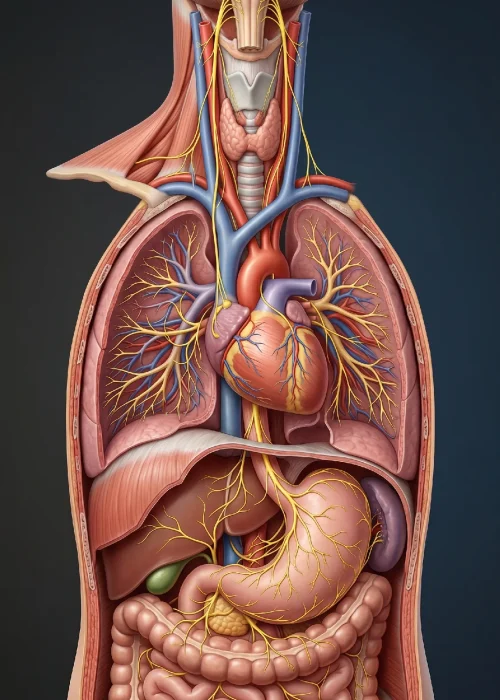
The vagus nerve is the tenth cranial nerve and one of the longest nerves in the human body. It travels from the brainstem through the neck and connects to major organs including the heart, lungs, and digestive system.
The vagus nerve helps regulate many automatic functions that occur without conscious effort, including:
- Breathing
- Heart rate
- Digestion
- Swallowing
- Vocalization
- Social engagement
Because it connects the brain and body, it plays a vital role in communication throughout the nervous system.
Why the Vagus Nerve Matters
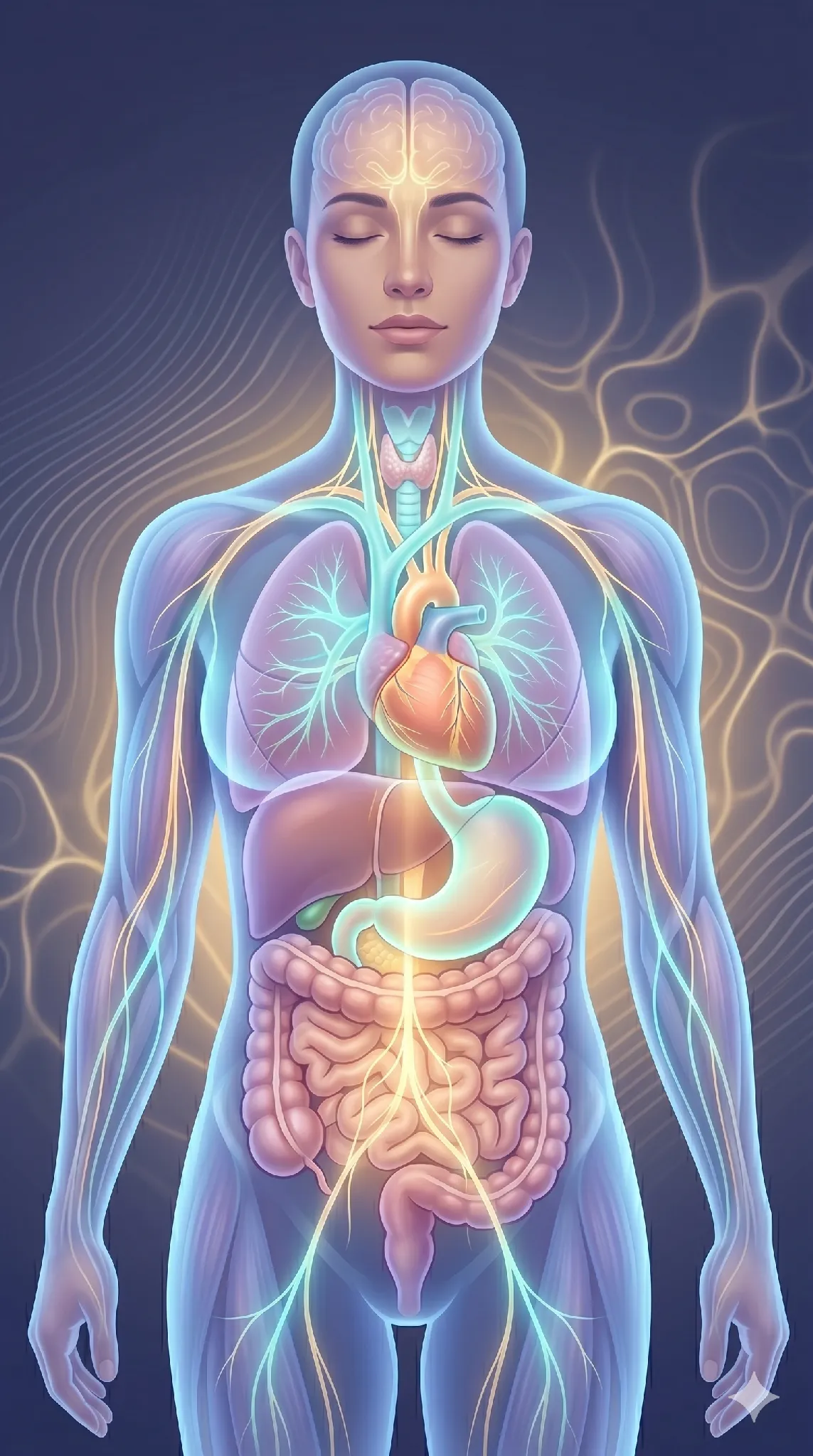
The vagus nerve helps the body shift from states of protection into states of recovery and connection.
When people experience chronic stress, their nervous systems may spend extended periods in protective states.
The vagus nerve is closely associated with functions that support:
- Recovery
- Relaxation
- Digestion
- Social connection
- Emotional regulation
- Adaptability
This is one reason why the vagus nerve has become an important focus within neuroscience, trauma-informed care, and Polyvagal Theory.
The Vagus Nerve and Polyvagal Theory
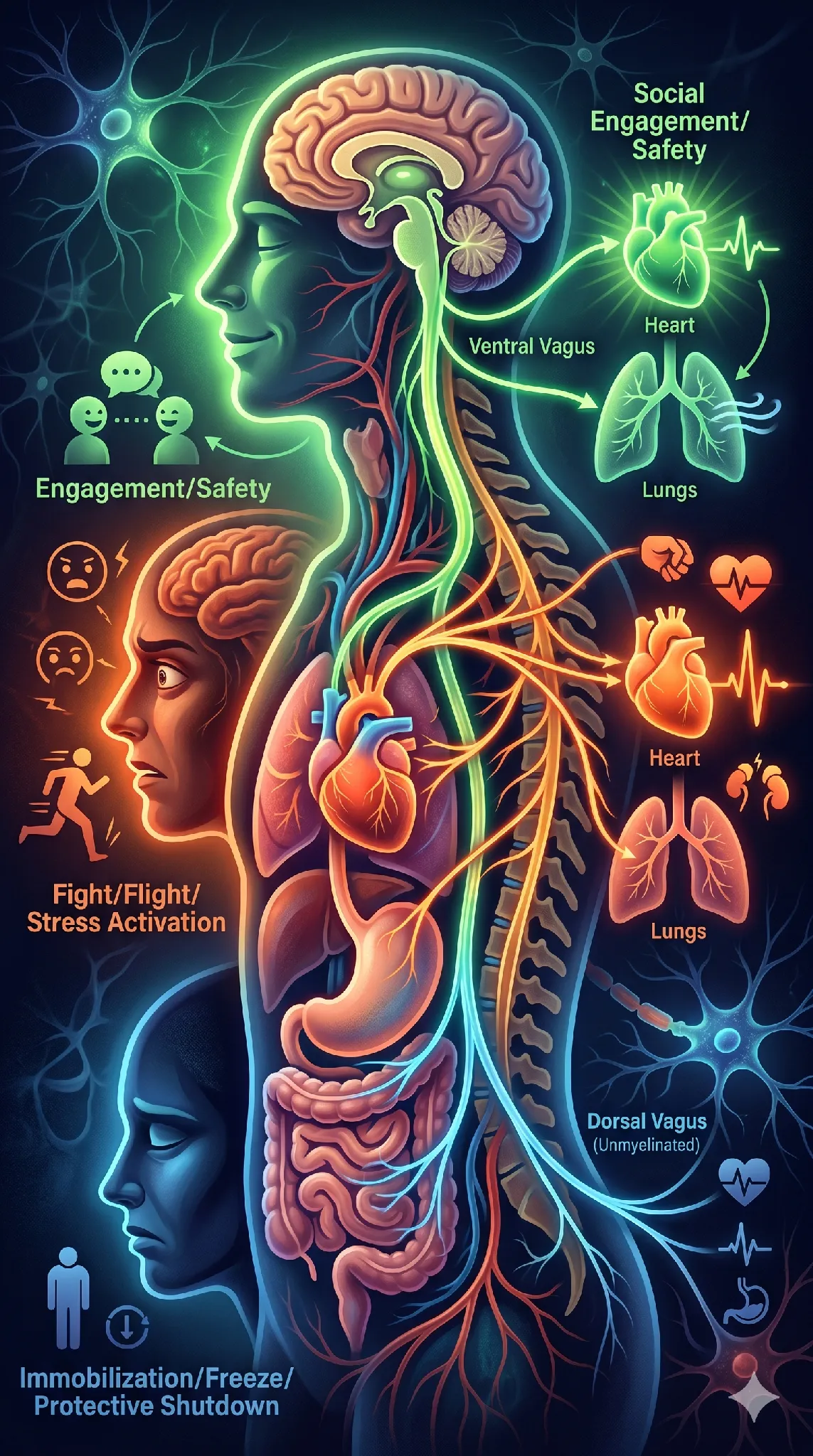
Dr. Stephen Porges developed Polyvagal Theory to help explain how the nervous system responds to safety and danger.
Polyvagal Theory highlights different branches of the vagus nerve and how they influence:
- Social engagement
- Connection
- Stress responses
- Protective behaviors
- Recovery
The theory suggests that human beings are constantly evaluating whether their environment feels safe.
These evaluations influence how the nervous system responds and adapts.
Understanding the vagus nerve provides chiropractors with a deeper appreciation for why communication, trust, and patient experiences matter.

The Social Engagement System
One of the most unique contributions of Polyvagal Theory is the concept of the Social Engagement System.
This system helps coordinate:
- Facial expression
- Eye contact
- Voice tone
- Listening
- Emotional connection
When people feel safe, these systems function more effectively.
When they feel threatened, communication often becomes more difficult.
For chiropractors, understanding the Social Engagement System highlights the importance of patient interactions, communication, and relationship building.
Vagus Nerve, Stress, and Recovery
Stress is a normal part of life.
The challenge occurs when the nervous system remains stuck in protective patterns for extended periods.
The vagus nerve plays an important role in helping people return to states of regulation after stress.
Recovery does not mean eliminating stress.
Recovery means developing the ability to move through challenges and return to balance.
This adaptability is one of the hallmarks of a healthy nervous system.

How Chiropractors Can Support Regulation
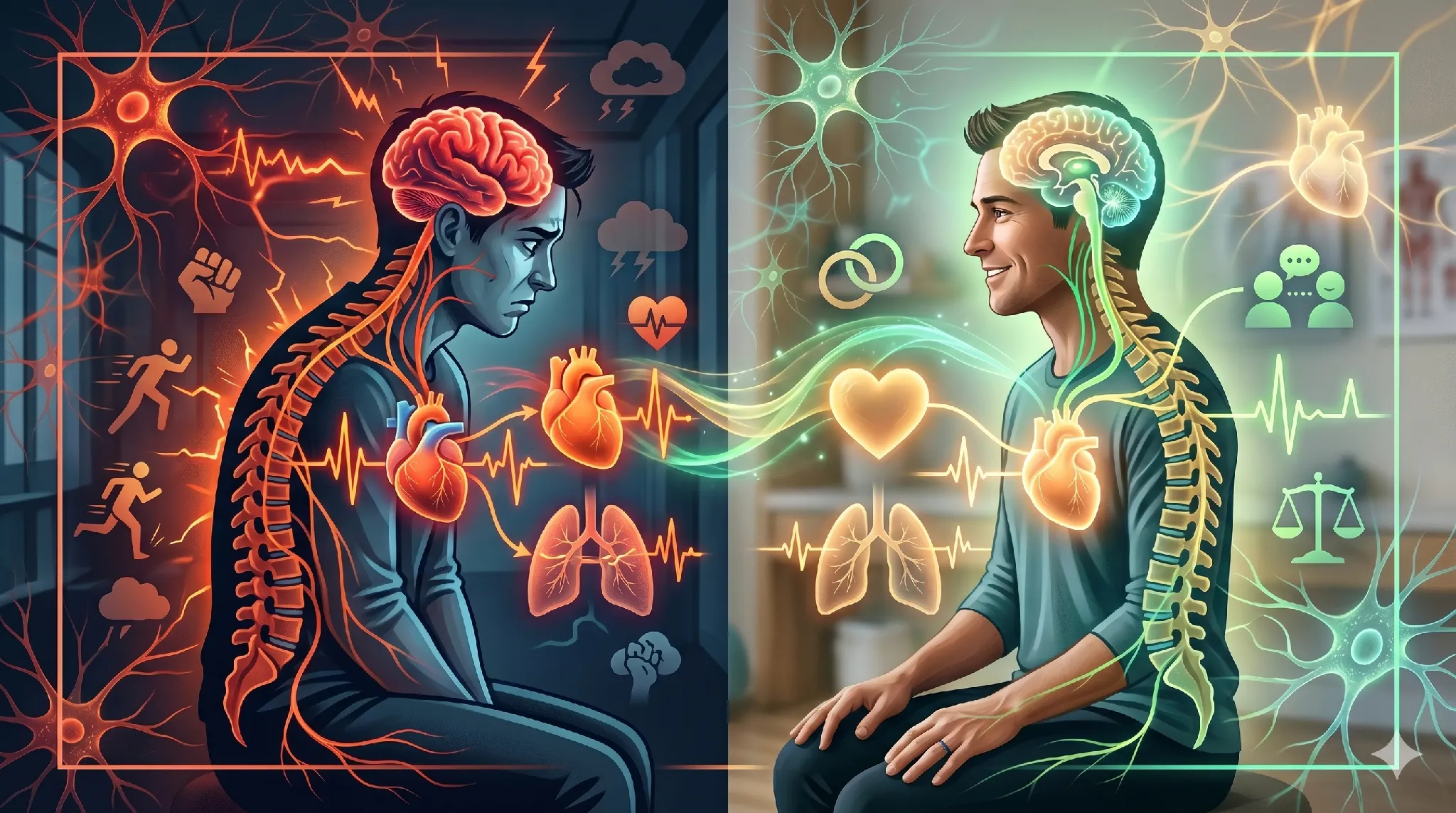
Chiropractors are uniquely positioned to help create experiences that support nervous system regulation.
This does not mean chiropractors directly influence the vagus nerve.
Rather, it means chiropractors can help create conditions that support safety, trust, and adaptability.
Examples include:
- Effective communication
- Predictable experiences
- Patient education
- Building trust
- Thoughtful clinical interactions
These factors influence how patients experience care.
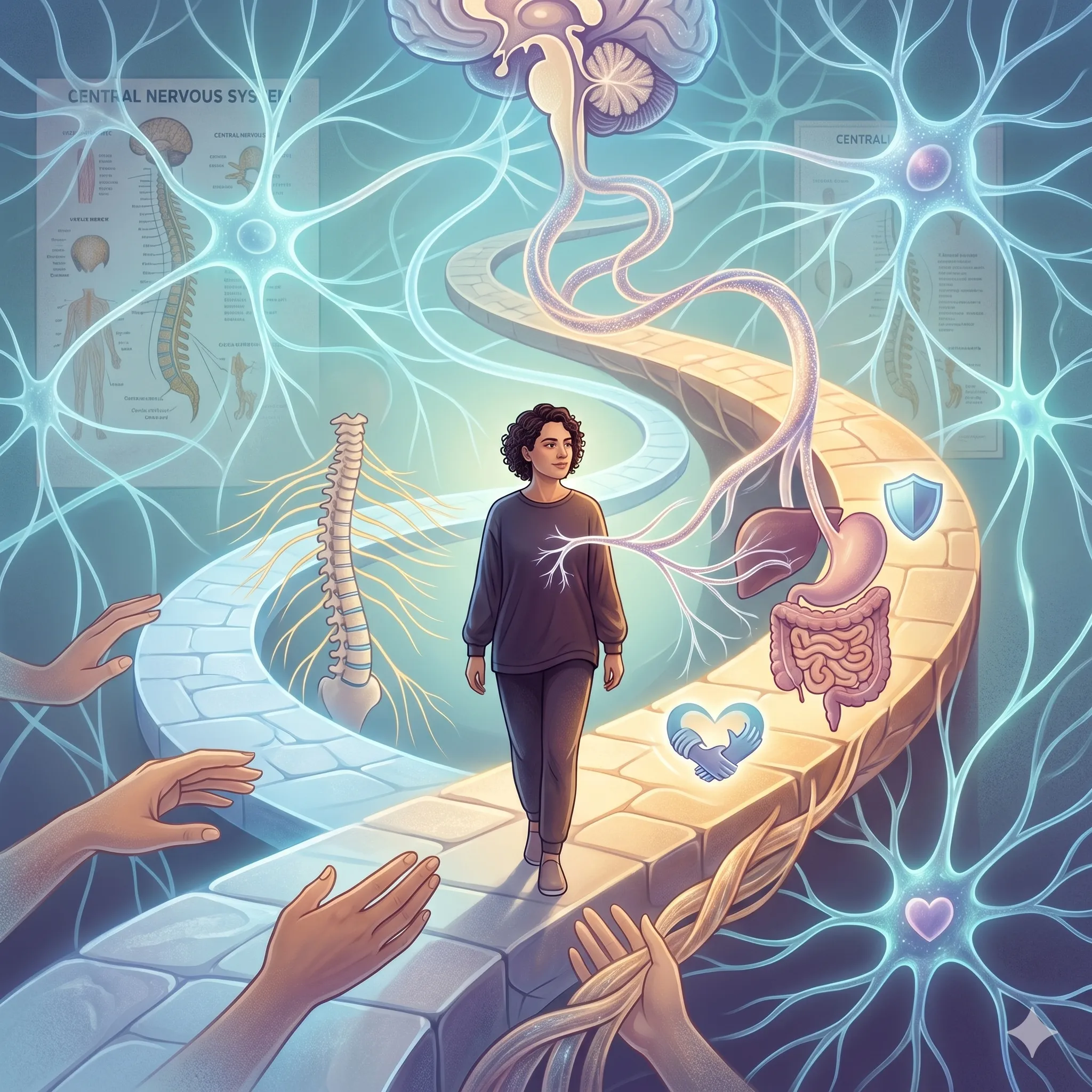
The Vagus Nerve and the MacDonald Safety Corridor Protocol
The MacDonald Safety Corridor Protocol emphasizes the importance of safety before, during, and after care.
Understanding the vagus nerve helps chiropractors appreciate why these experiences matter.
Patients who feel safe are often better able to engage, learn, and participate in the healing process.
The protocol encourages practitioners to focus not only on the adjustment but also on the environment and interactions surrounding care.

What the Vagus Nerve Means for the Future of Chiropractic
The future of chiropractic may depend on a deeper understanding of the nervous system.
As healthcare increasingly focuses on regulation, resilience, and patient-centered care, chiropractors have an opportunity to expand their understanding beyond structure alone.
The vagus nerve provides a valuable lens for understanding communication, adaptation, recovery, and human connection.
Combined with Polyvagal Theory, it offers a framework that aligns chiropractic philosophy with modern neuroscience.
The Polyvagal Theory for Chiropractors
FREE 1-HOUR TRAINING
An Introduction to the Polyvagal Theory for Chiropractors.
Discover how understanding the nervous system transforms the way you adjust, communicate, and lead your practice.
Trusted by chiropractors seeking deeper patient connection and purpose-driven care.
How To Work With Us
Whether you want to learn, deepen your understanding, or transform your practice—there’s a path forward.
Understanding the Nervous System
Communicating Through Connection
Understanding the Body’s Signals
Techniques for Regulation
Frequently Asked Questions About Vagus Nerve and Chiropractic Care
Learn more about Vagus Nerve and Chiropractic Care, Neuroception for Chiropractors, Polyvagal Theory, and Dr. Don MacDonald’s approach to chiropractic care.
What is the vagus nerve?
The vagus nerve is the tenth cranial nerve and a major component of the autonomic nervous system. It helps regulate breathing, heart rate, digestion, vocalization, and social engagement.
Why is the vagus nerve important?
The vagus nerve supports regulation, recovery, adaptability, and communication between the brain and body.
How does Polyvagal Theory relate to the vagus nerve?
Polyvagal Theory explains how different branches of the vagus nerve influence safety, connection, stress responses, and protective behaviors.
Can chiropractors support nervous system regulation?
Chiropractors can help create experiences that support safety, trust, communication, and patient engagement, all of which influence nervous system regulation.
What is the Social Engagement System?
The Social Engagement System is a Polyvagal Theory concept describing how facial expression, eye contact, voice tone, and listening support connection and safety.
Does the vagus nerve affect stress recovery?
The vagus nerve plays an important role in helping the body recover from stress and return to more regulated states.
Why are chiropractors interested in the vagus nerve?
Many chiropractors study the vagus nerve because it helps explain aspects of regulation, communication, adaptability, and patient experiences through a nervous system lens.
What is the relationship between the vagus nerve and nervous system regulation?
The vagus nerve is a central part of the body’s regulation systems and helps coordinate many functions associated with recovery, connection, and resilience.