The Vagus Nerve, Inflammation, and Nervous System Regulation
Modern healthcare conversations are increasingly focused on one important question:
How does inflammation affect long-term health, and what role does the nervous system play in recovery?
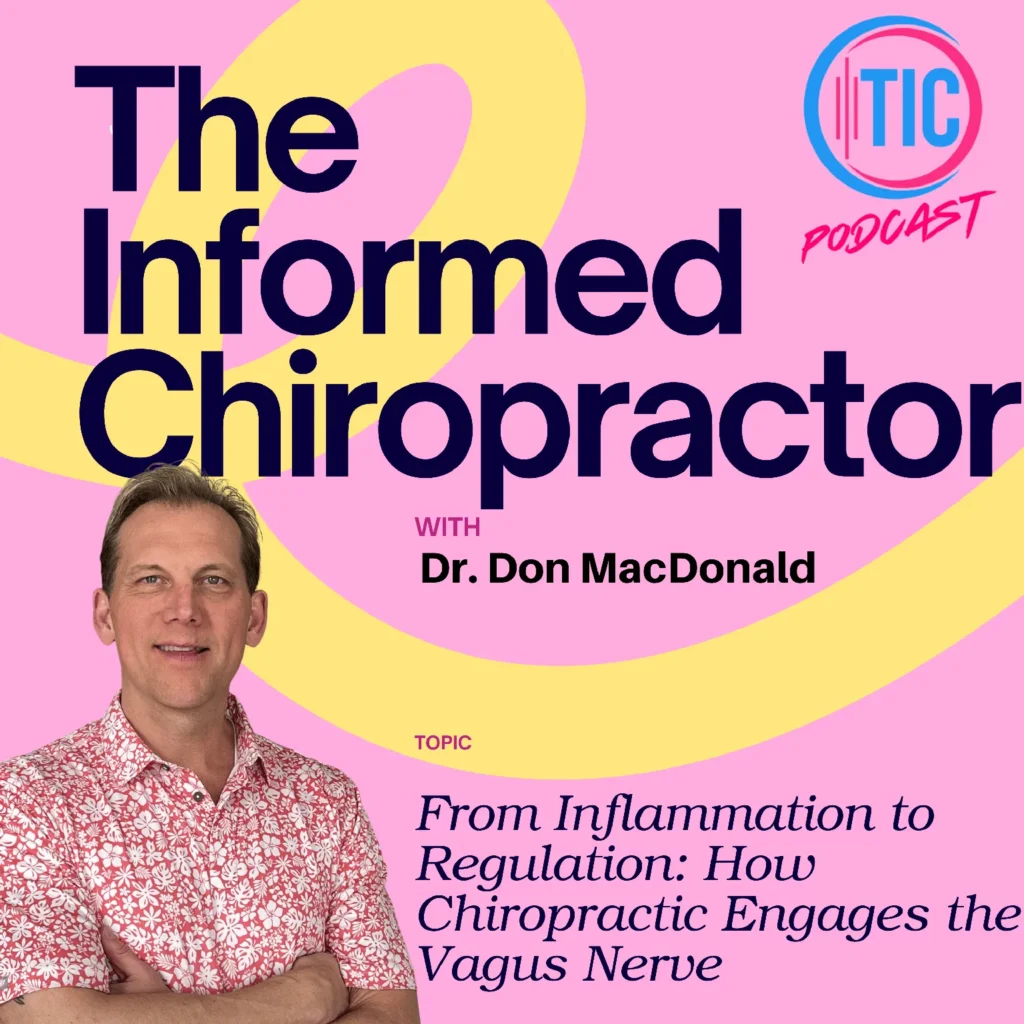
In this episode of The Informed Chiropractor Podcast, Dr. Don MacDonald explores the fascinating relationship between inflammation, nervous system regulation, Polyvagal Theory, and the vagus nerve.
Understanding this connection may help chiropractors better explain healing, resilience, brain health, and patient recovery through a neurological lens.
Why Inflammation Matters More Than Ever
Inflammation is a normal biological process.
In the short term, it helps the body heal and protect itself.
However, chronic inflammation has been linked to a wide range of health concerns, including:
- Persistent pain
- Cardiovascular disease
- Autoimmune conditions
- Cognitive decline
- Depression
- Metabolic disorders
- Digestive dysfunction
The challenge is not inflammation itself.
The challenge is when the body remains stuck in a prolonged inflammatory state.
The Vagus Nerve and the Inflammatory Response
The vagus nerve is one of the most important communication pathways in the body.
It connects the brain to:
- The heart
- The lungs
- The digestive system
- The immune system
Research continues to show that the vagus nerve plays an important role in regulating inflammation through what is often called the inflammatory reflex.
When vagal function is healthy, the nervous system is better able to monitor and regulate inflammatory activity throughout the body.
Understanding the Inflammatory Reflex
The inflammatory reflex is the body’s built-in feedback system.
Its purpose is to prevent inflammation from becoming excessive.
When functioning efficiently, the vagus nerve helps:
- Detect inflammatory signals
- Communicate information to the brain
- Trigger anti-inflammatory responses
- Support physiological balance
This is one reason the vagus nerve has become such an important topic in neuroscience and healthcare.
Polyvagal Theory and Inflammation
Polyvagal Theory, developed by Dr. Stephen Porges, provides a framework for understanding how nervous system states influence health.
According to Polyvagal Theory:
Ventral Vagal State
Associated with:
- Safety
- Connection
- Recovery
- Social engagement
- Physiological regulation
Sympathetic State
Associated with:
- Fight or flight
- Mobilization
- Increased stress responses
Dorsal Vagal State
Associated with:
- Shutdown
- Withdrawal
- Conservation
These states may influence how effectively the body regulates inflammation and recovery.
Why Regulation Supports Healing
Healing requires resources.
When the body remains in prolonged states of defense, resources are often directed toward protection rather than restoration.
A regulated nervous system may support:
- Better sleep
- Improved digestion
- Reduced stress responses
- Greater resilience
- Healthier immune function
- Enhanced recovery capacity
This is why nervous system regulation has become such an important conversation in modern chiropractic care.
Brain Health, Inflammation, and Cognitive Function
Emerging research continues to explore the relationship between chronic inflammation and cognitive decline.
Inflammatory processes may influence:
- Memory
- Attention
- Mood
- Learning
- Brain aging
Many researchers now view inflammation as an important factor in long-term neurological health.
Understanding these relationships may help healthcare providers develop more comprehensive approaches to patient care.
How Chiropractic Fits Into the Conversation
Chiropractors have always worked closely with the nervous system.
As understanding of neurophysiology expands, chiropractors have an opportunity to help patients better understand:
- Stress physiology
- Adaptation
- Regulation
- Recovery
- Nervous system function
Rather than focusing solely on symptoms, chiropractors can educate patients about how nervous system states influence overall health.
Supporting Vagal Function in Everyday Life
Healthy vagal function is influenced by many factors, including:
- Movement
- Breathing
- Sleep
- Nutrition
- Social connection
- Physical activity
- Recovery practices
Small daily habits often create significant long-term changes in nervous system resilience.
Key Takeaways
- The vagus nerve plays a critical role in nervous system regulation.
- Inflammation is necessary for healing but problematic when chronic.
- Polyvagal Theory offers a useful framework for understanding health and recovery.
- Nervous system states influence physiological function.
- Brain health and inflammation are closely connected.
- Chiropractors can help patients better understand regulation and resilience.
- Healthy vagal function supports adaptation and recovery.
Frequently Asked Questions
What is the vagus nerve?
The vagus nerve is a major nerve that connects the brain to multiple organs and helps regulate many automatic body functions.
How does the vagus nerve affect inflammation?
The vagus nerve helps regulate inflammatory responses through communication between the nervous system and immune system.
What is the inflammatory reflex?
The inflammatory reflex is a feedback mechanism that helps control excessive inflammation in the body.
Can stress increase inflammation?
Yes. Chronic stress can influence nervous system function and may contribute to inflammatory processes.
What is vagal tone?
Vagal tone refers to the activity and responsiveness of the vagus nerve and is often associated with nervous system adaptability.
How does Polyvagal Theory relate to inflammation?
Polyvagal Theory explains how different nervous system states influence physiological processes, including recovery and regulation.
Can chiropractic care influence nervous system regulation?
Many chiropractors focus on improving nervous system function and helping patients better understand stress, adaptation, and recovery.
Why is nervous system regulation important?
A regulated nervous system supports resilience, recovery, healing, emotional wellbeing, and overall health.
Continue Learning
- The MacDonald Safety Corridor Protocol
- What Is Polyvagal Chiropractic?
- Polyvagal Theory for Chiropractors
- Nervous System Regulation
- Neuroception for Chiropractors
- Vagus Nerve and Chiropractic Care
- Chiropractic Communication
- Patient Retention and Trust
- Dr. Heidi Haavik podcast article
- Stephen Porges podcast article

- Trend Lines: The Chiropractic Communication Skill That Keeps Practice Members in Care - October 12, 2026
- Pelvic Floor Chiropractic: Pelvis, Fascia & Nervous System - August 30, 2026
- Women’s Health and Pelvic Floor Care in Chiropractic Practice - August 4, 2026